
Filming & editing by Aren Lebrun
The only way we can understand our natural environment is to imagine ourselves as the water, a fish, a plant, or a butterfly. We have to think of the river as being like a vein in our body. - Lihua Lei Farley
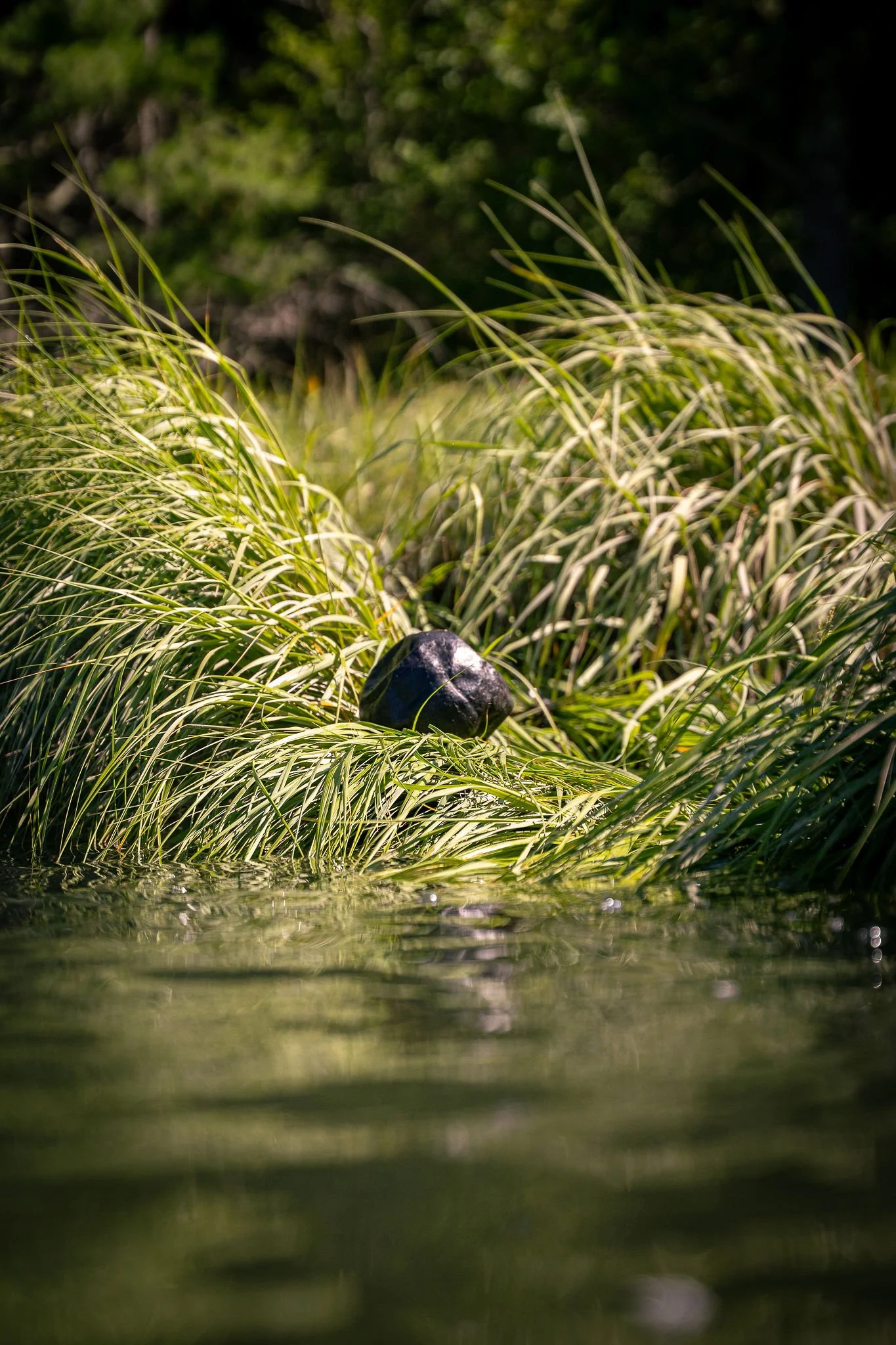
As a child in Taiwan, artist Lihua Lei Farley remembers making a boat out of a bamboo leaf, setting it into the water, and following it downstream to see where it would go. Now based in Cushing, Farley’s studio overlooks Broad Cove in the St. George River and her creative practice often engages with water as a medium and a theme. Her multi-site project SEED, created in collaboration with Georges River Land Trust in summer 2026, revived that childlike sense of wonder, playfulness, and curiosity, connecting community members across nearly 50 miles of the St. George River watershed.
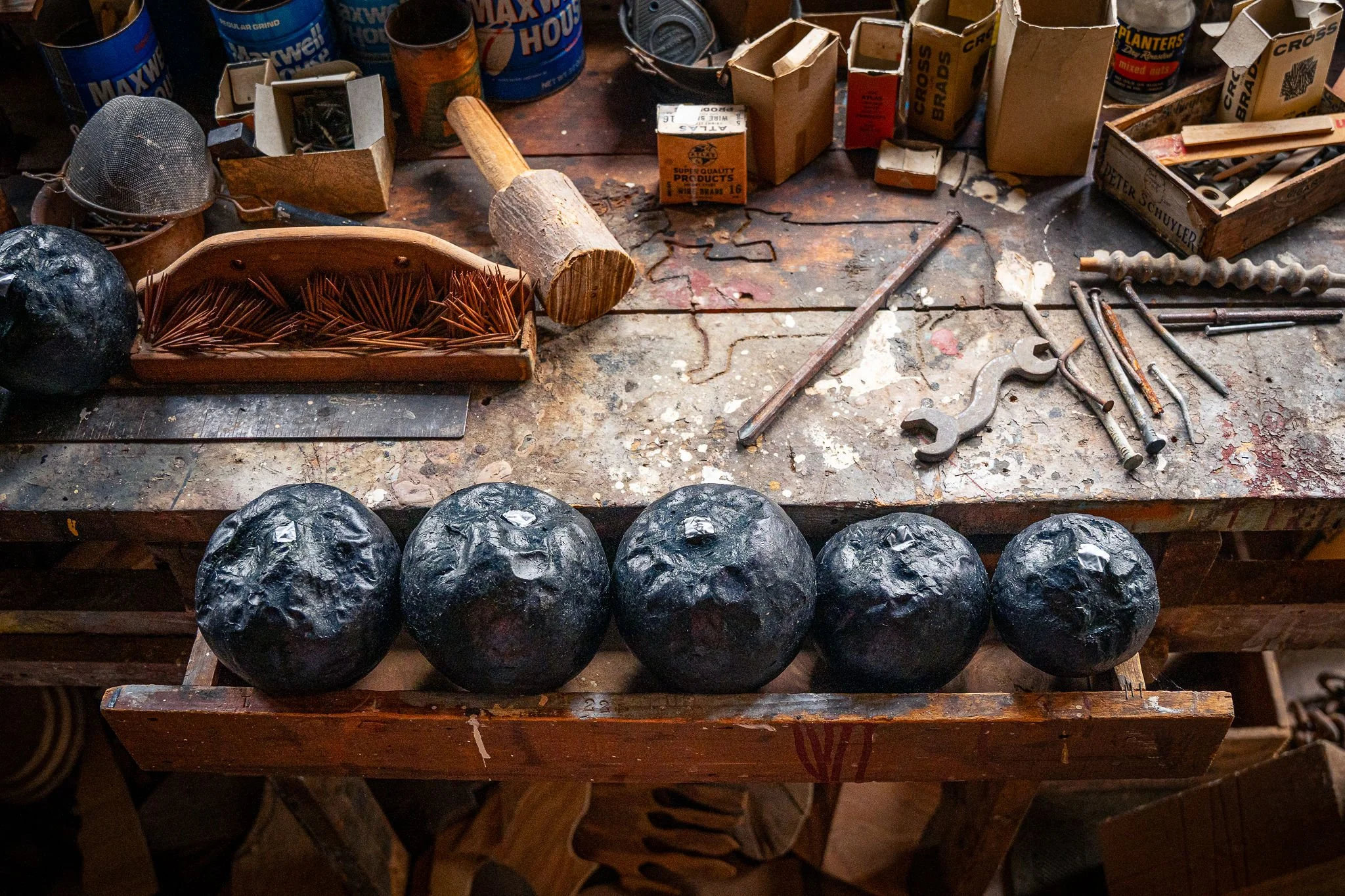
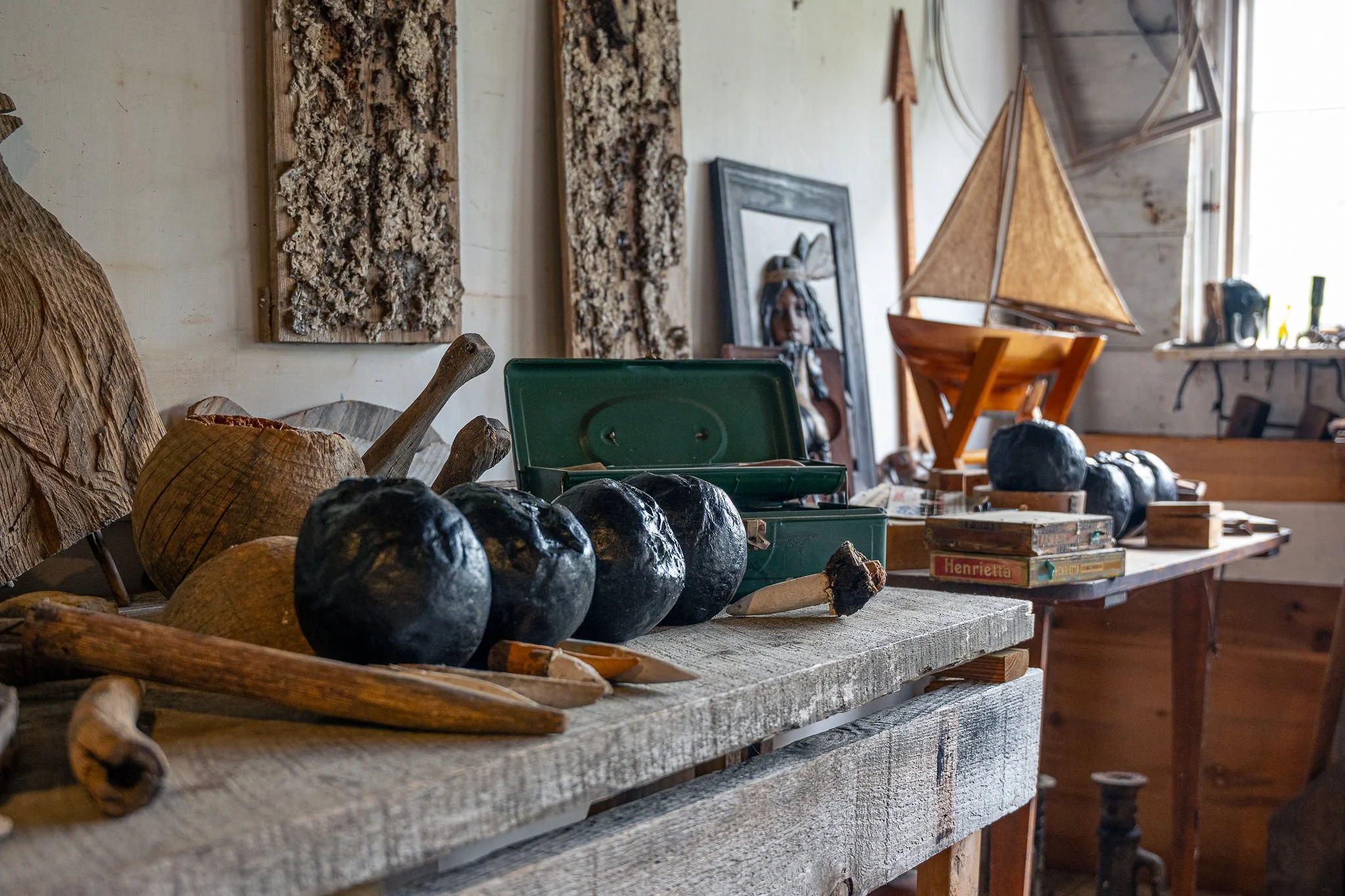
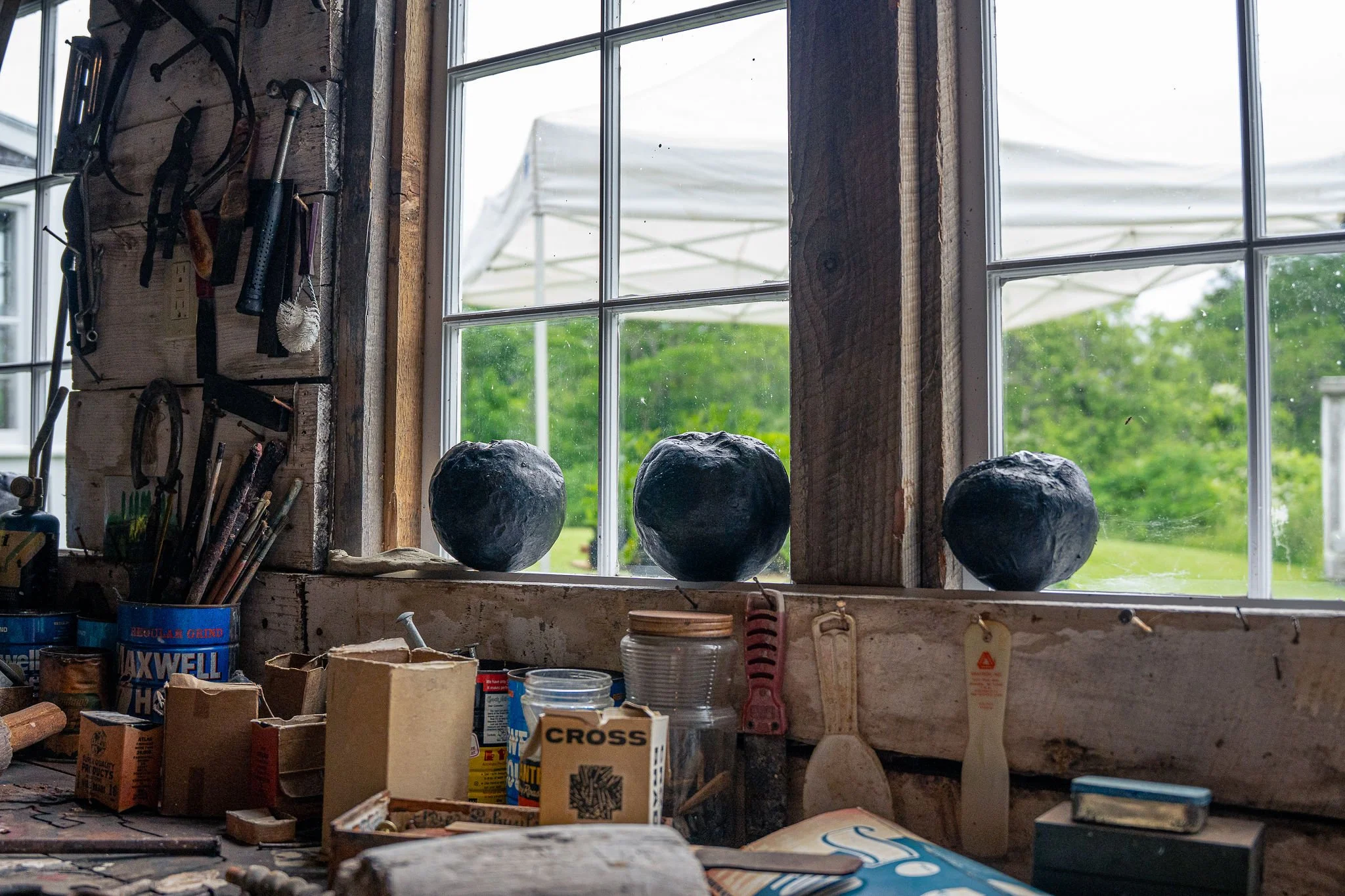
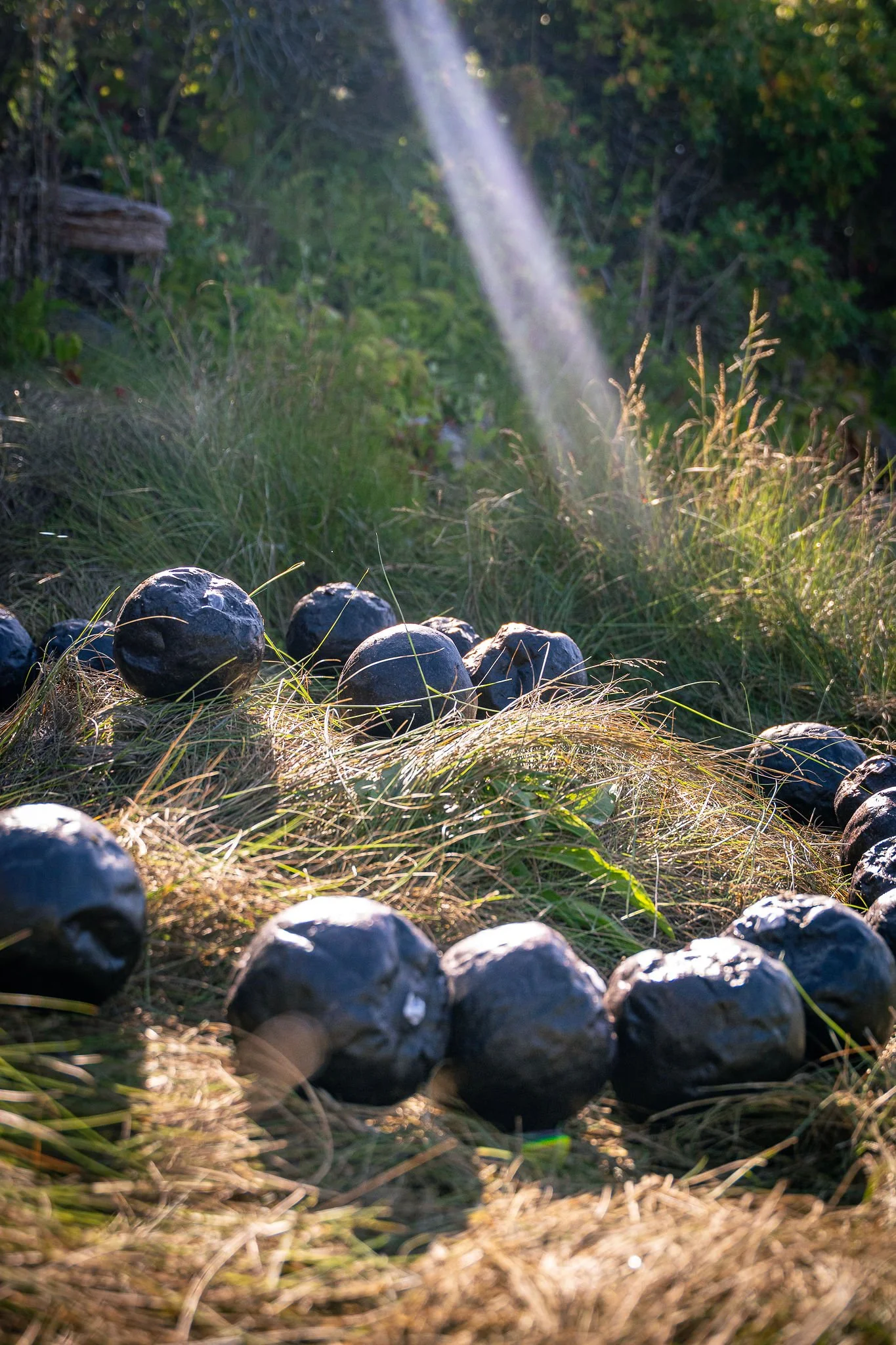
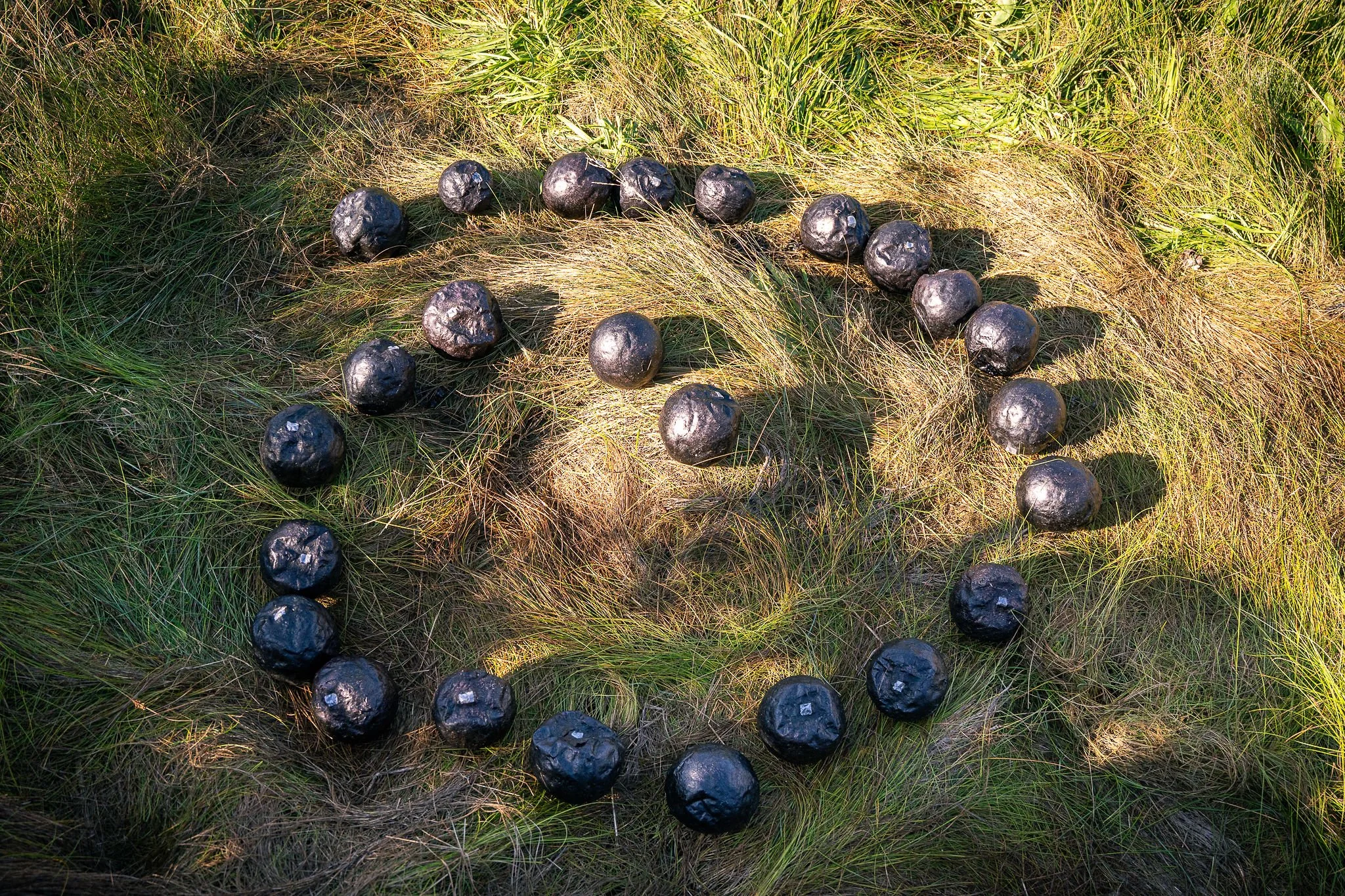
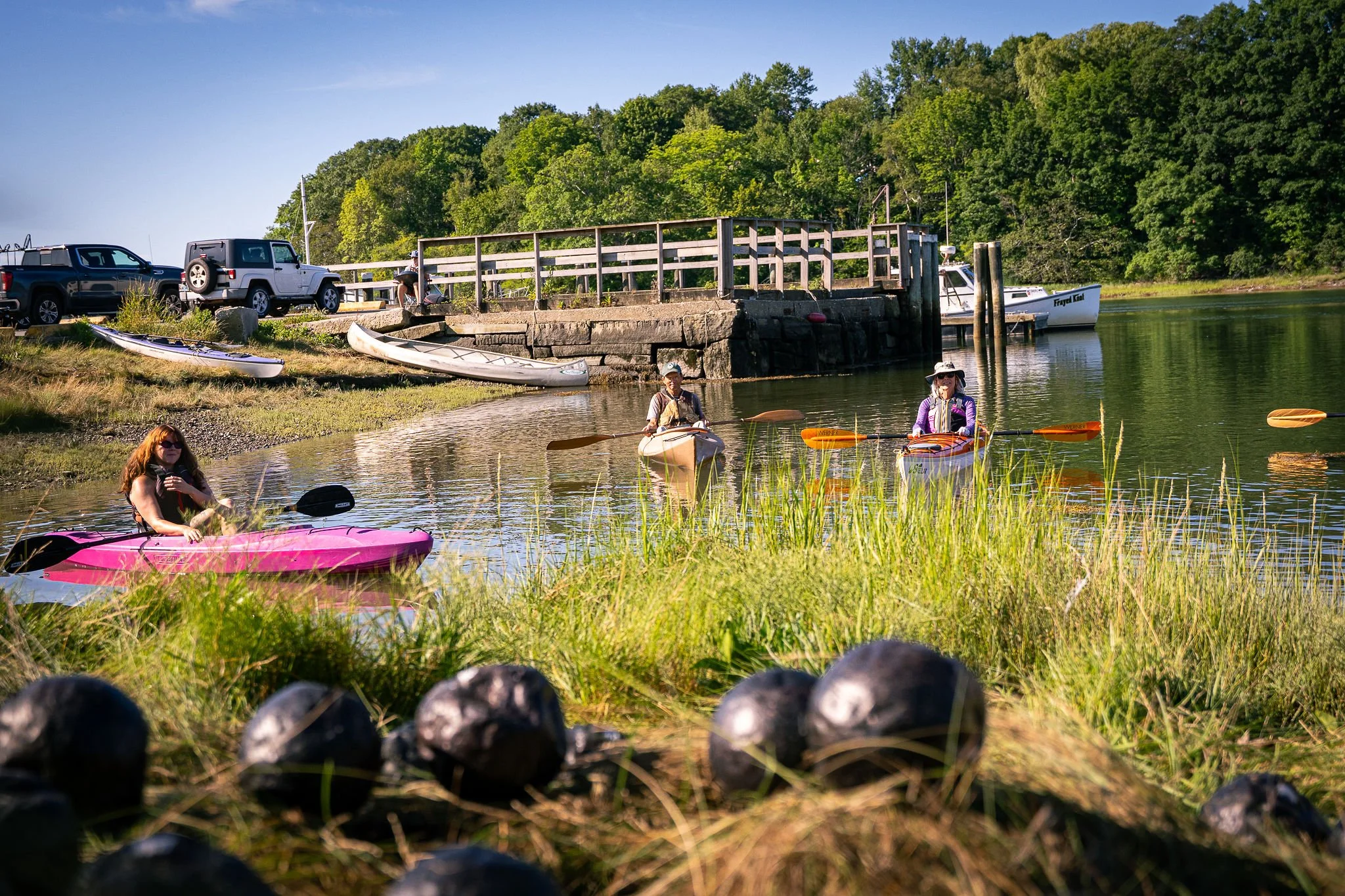
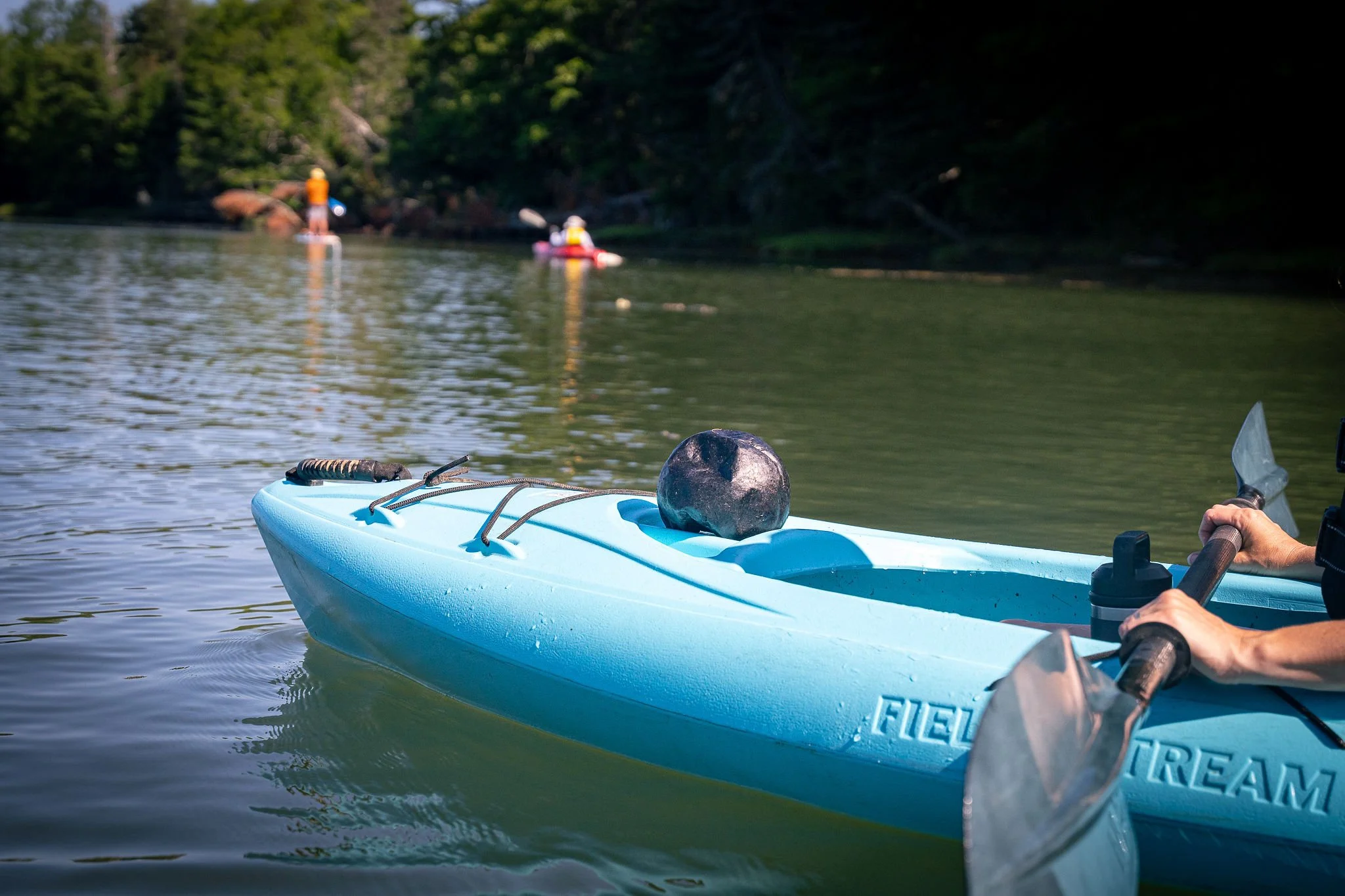
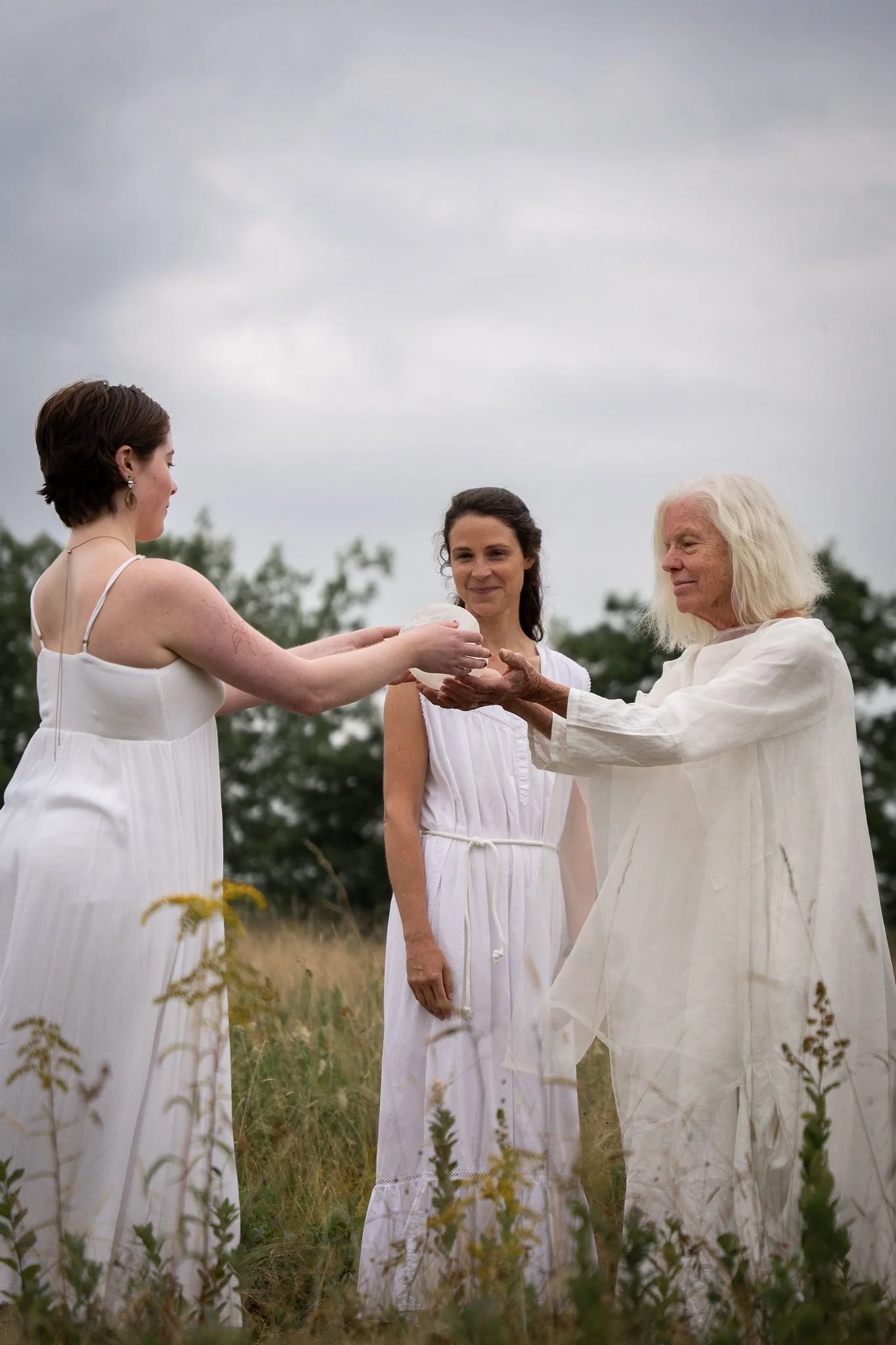
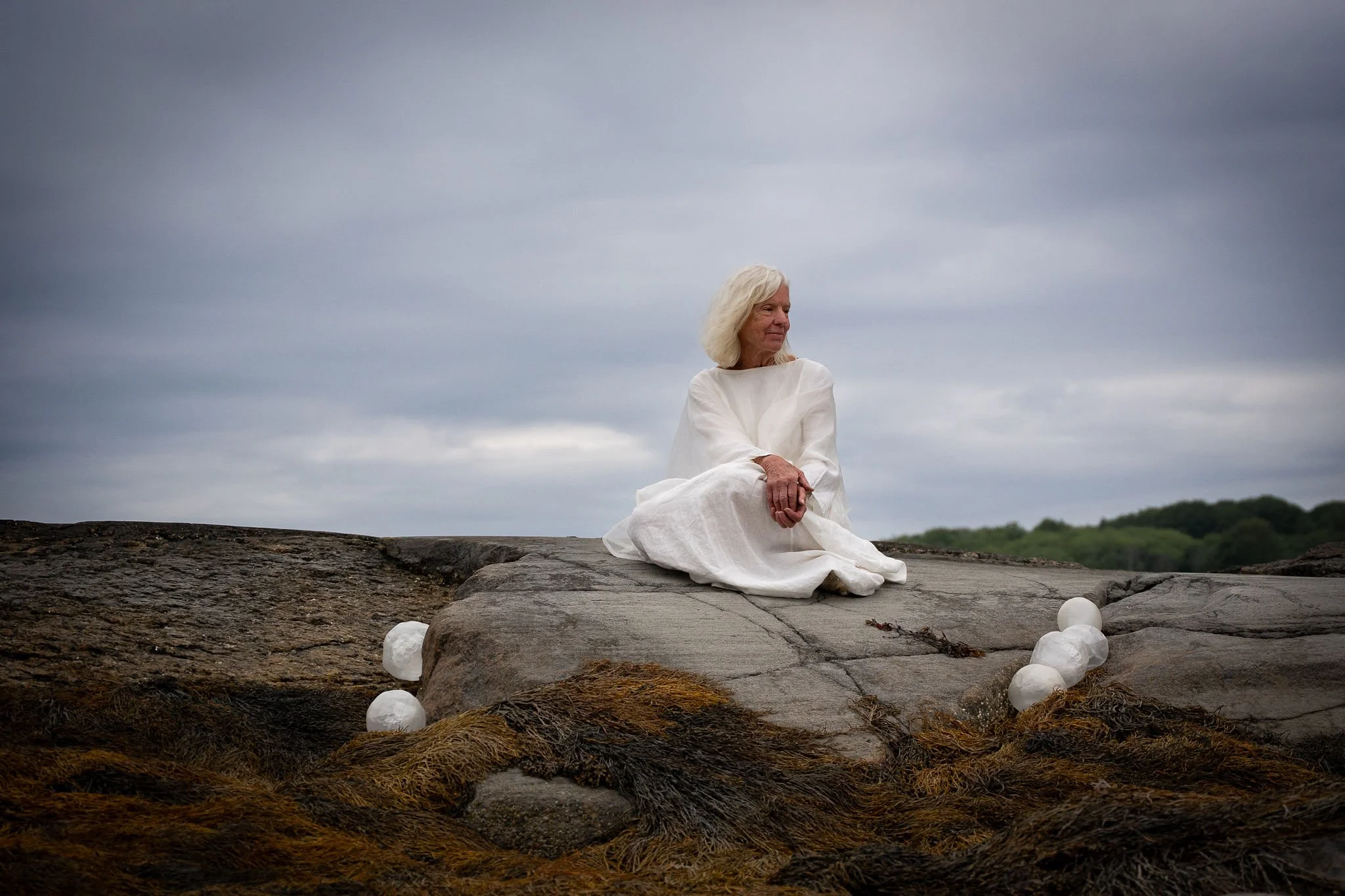
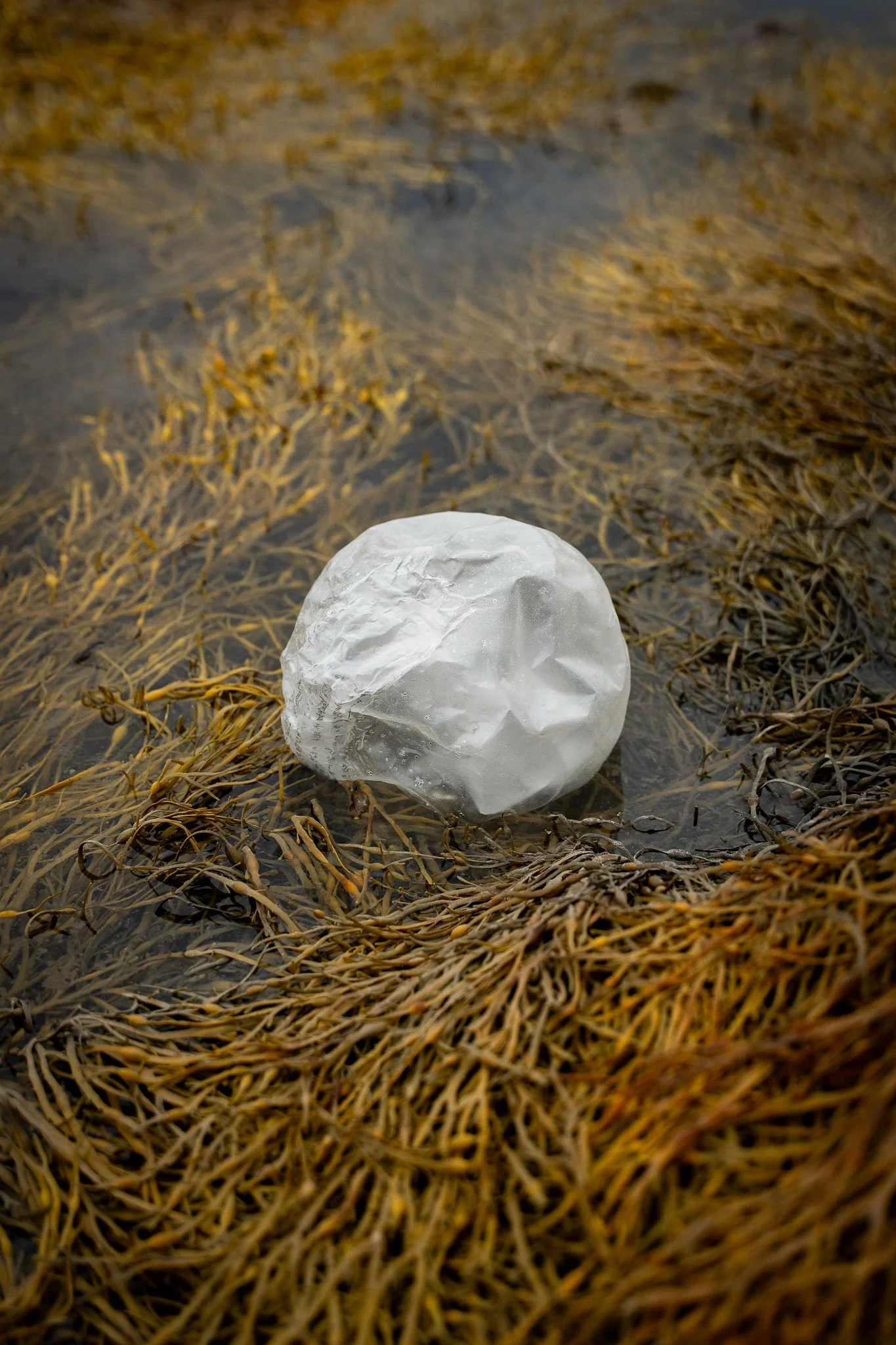
A central part of the project was a collaboration with four watershed elementary schools: Thomaston Grammar School, Cushing Community School, Ames Elementary School (Searsmont), and Hope Elementary School. During classroom visits with GRLT staff, third- and fourth-grade students participated in an interactive presentation about the many ways the river shapes and sustains life in our region—from ecology and agriculture to recreation and community. Farley then invited students to imagine speaking directly to the river through drawings, poems, or letters. Their messages were placed inside dozens of egg-like seed sculptures that Farley fabricated from seaweed and fish gelatin, each embedded with native riparian seeds and sealed with a fragment of Farley’s handwritten Heart Sutra—a Buddhist prayer reflecting on the interconnectedness of all things.
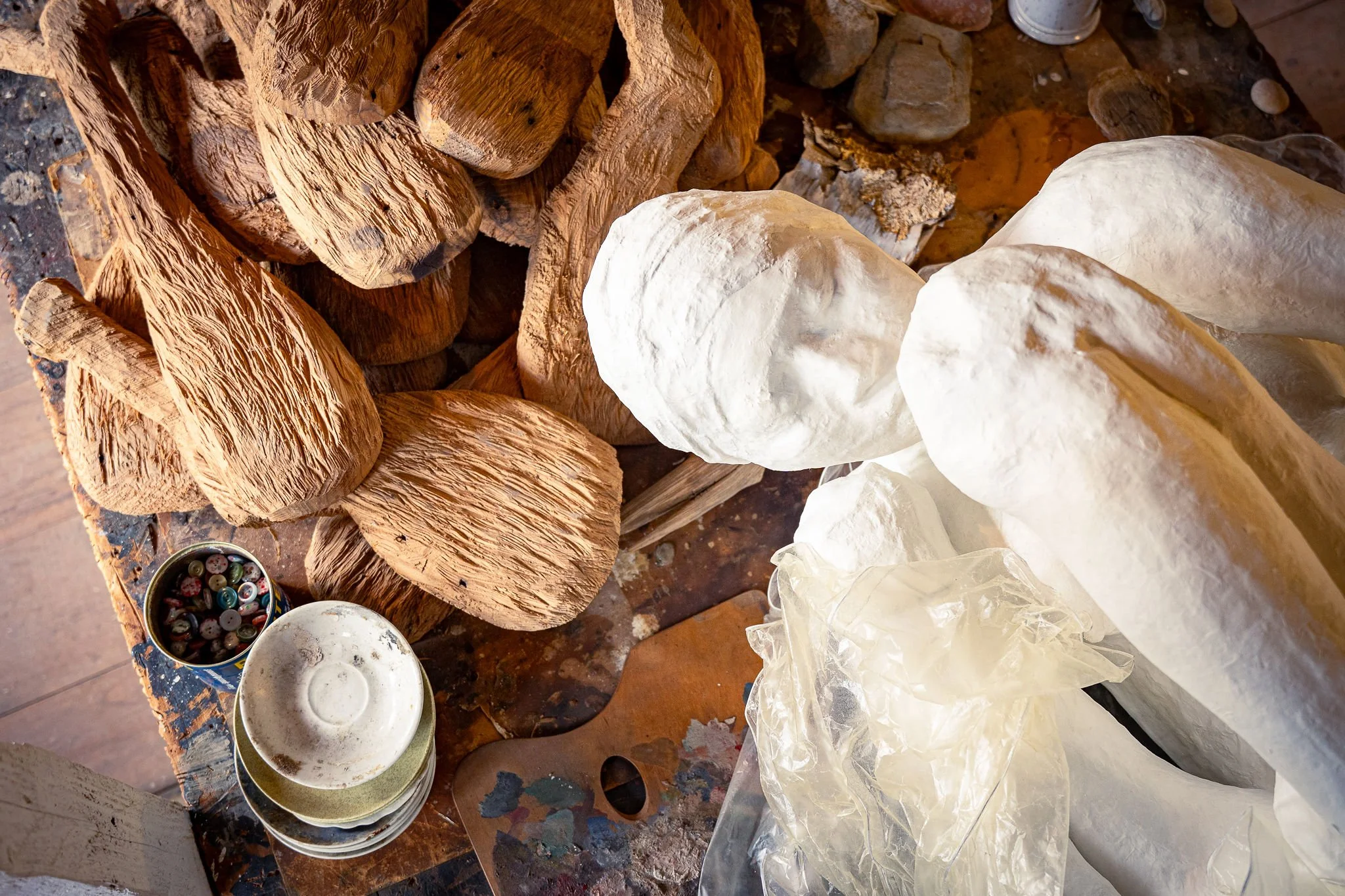
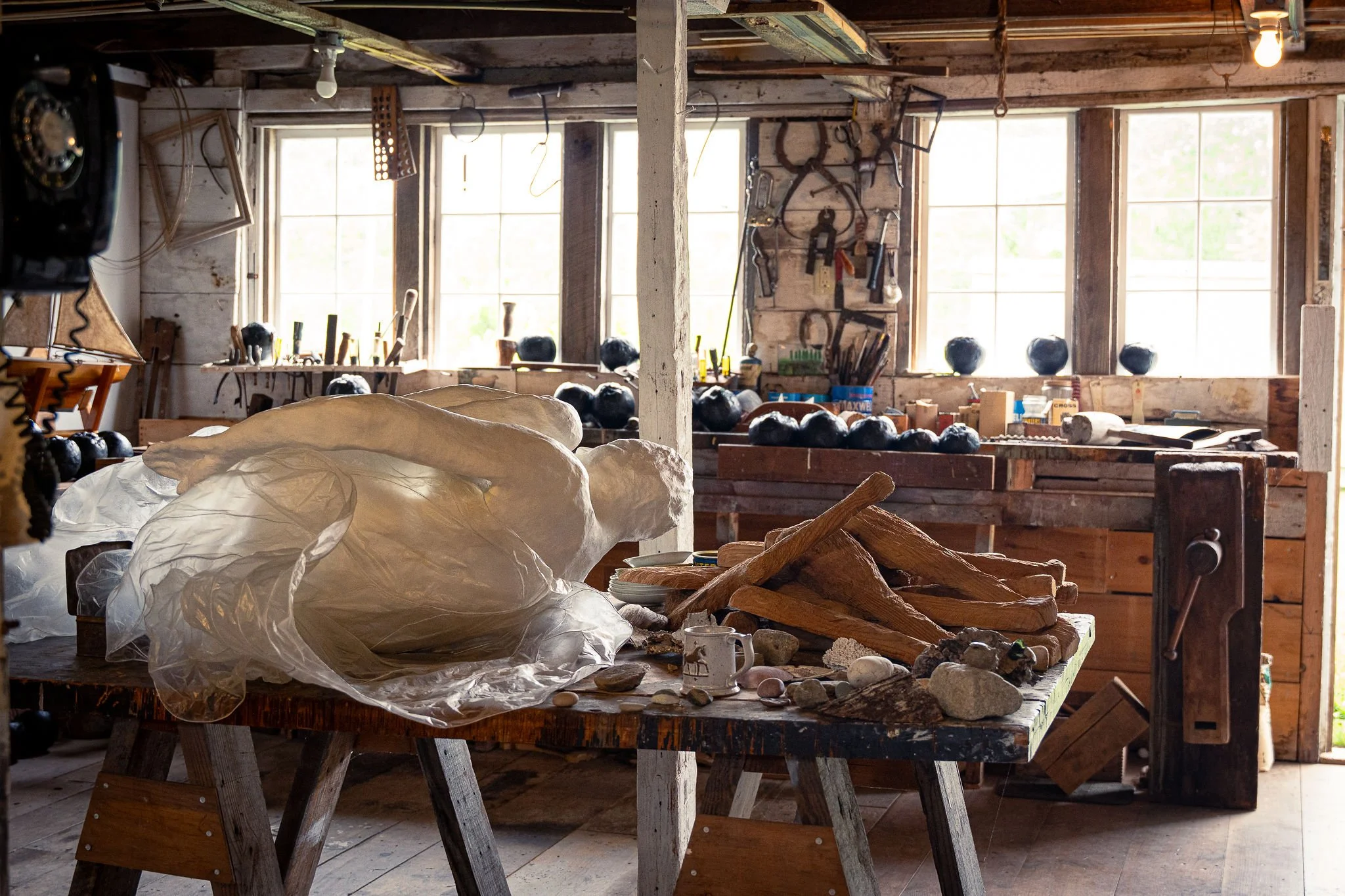
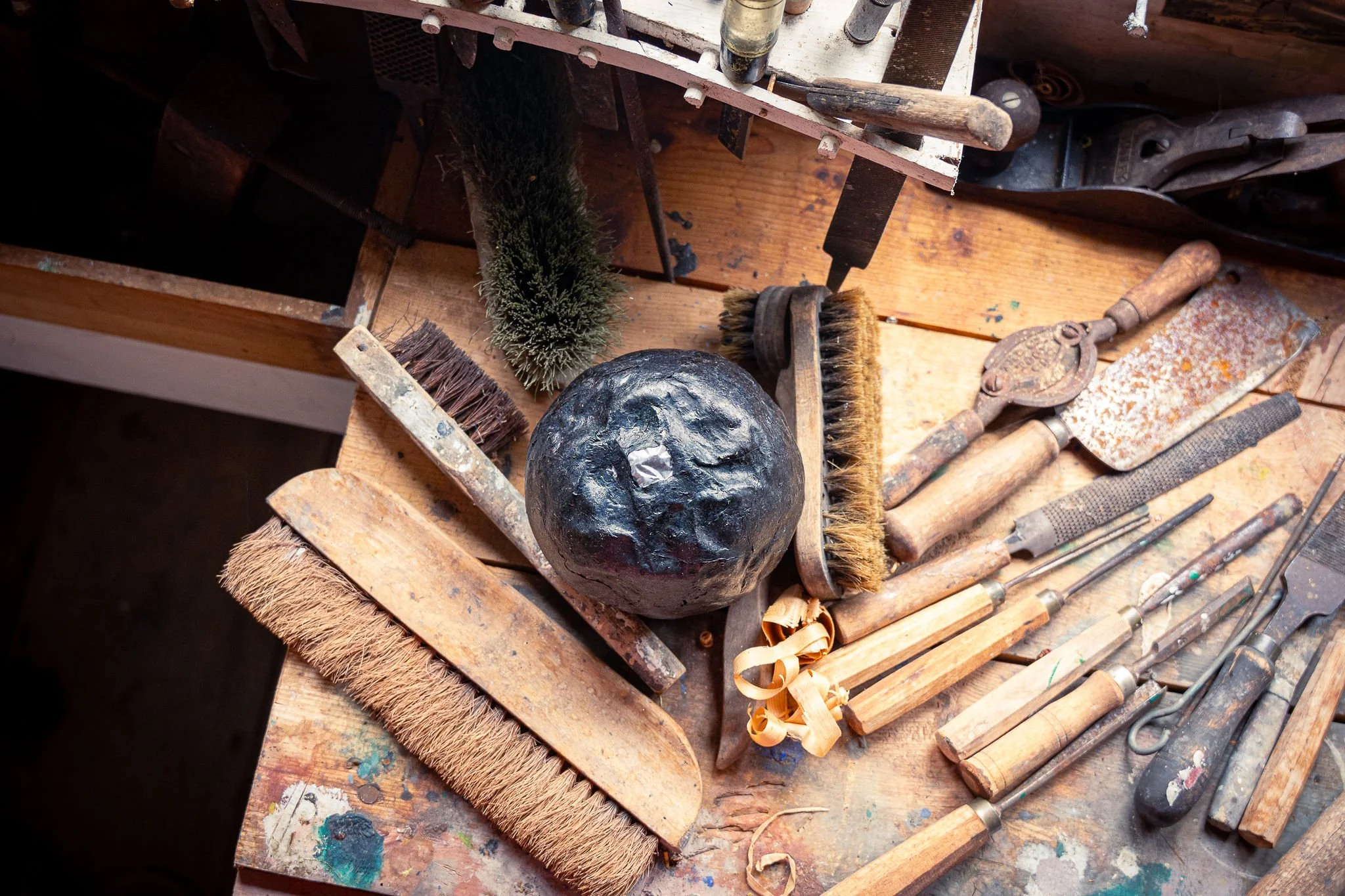
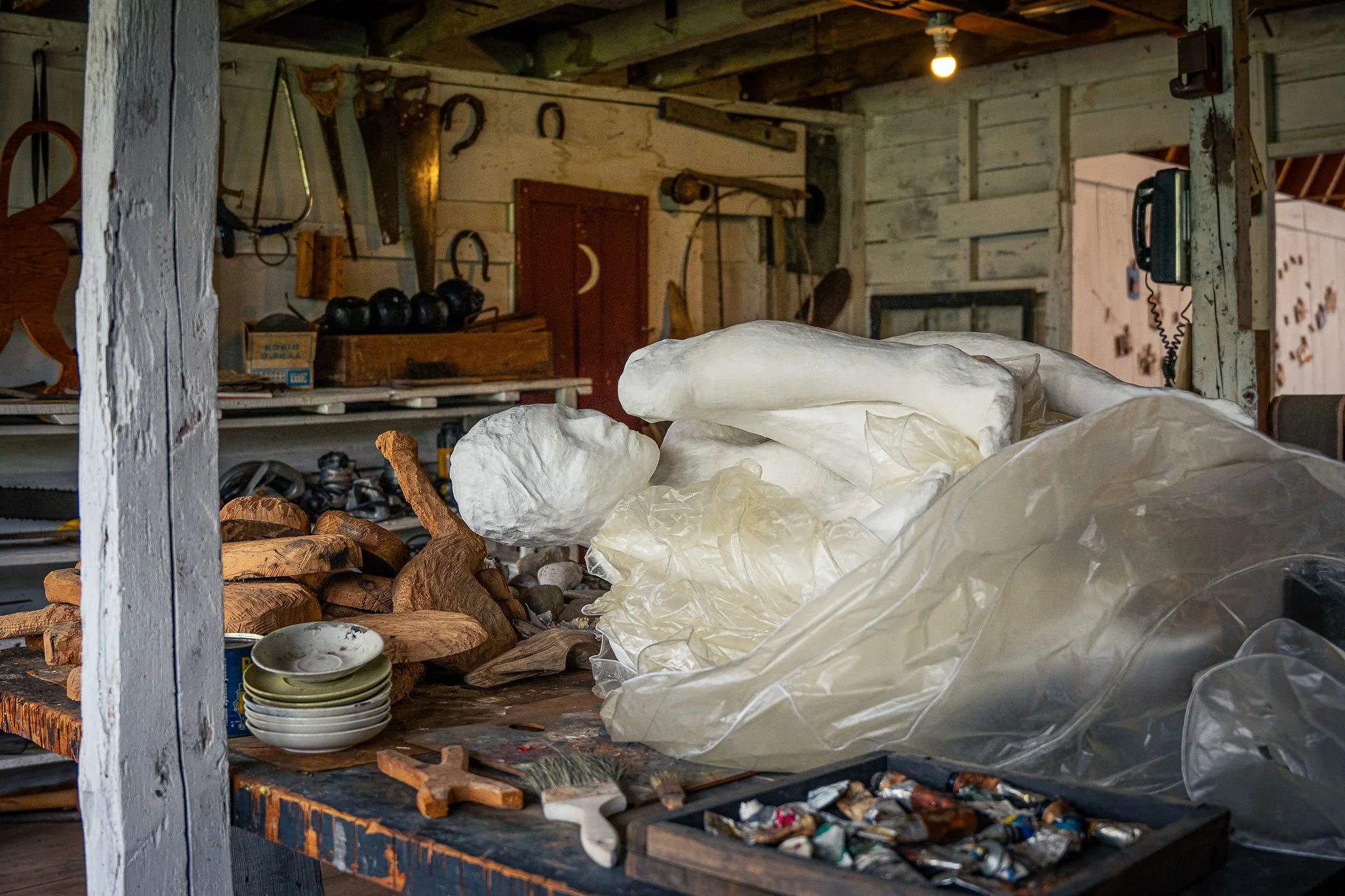
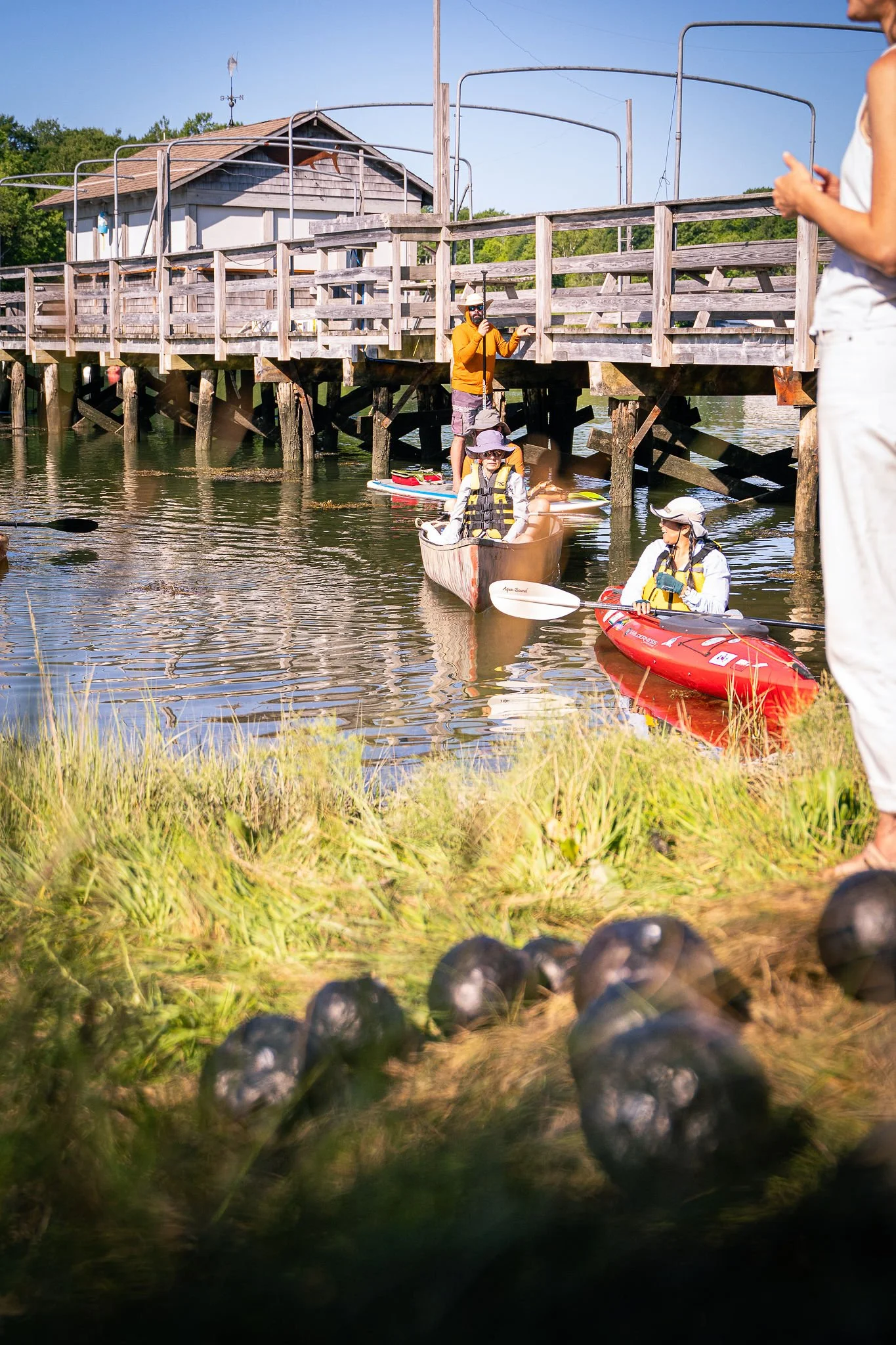
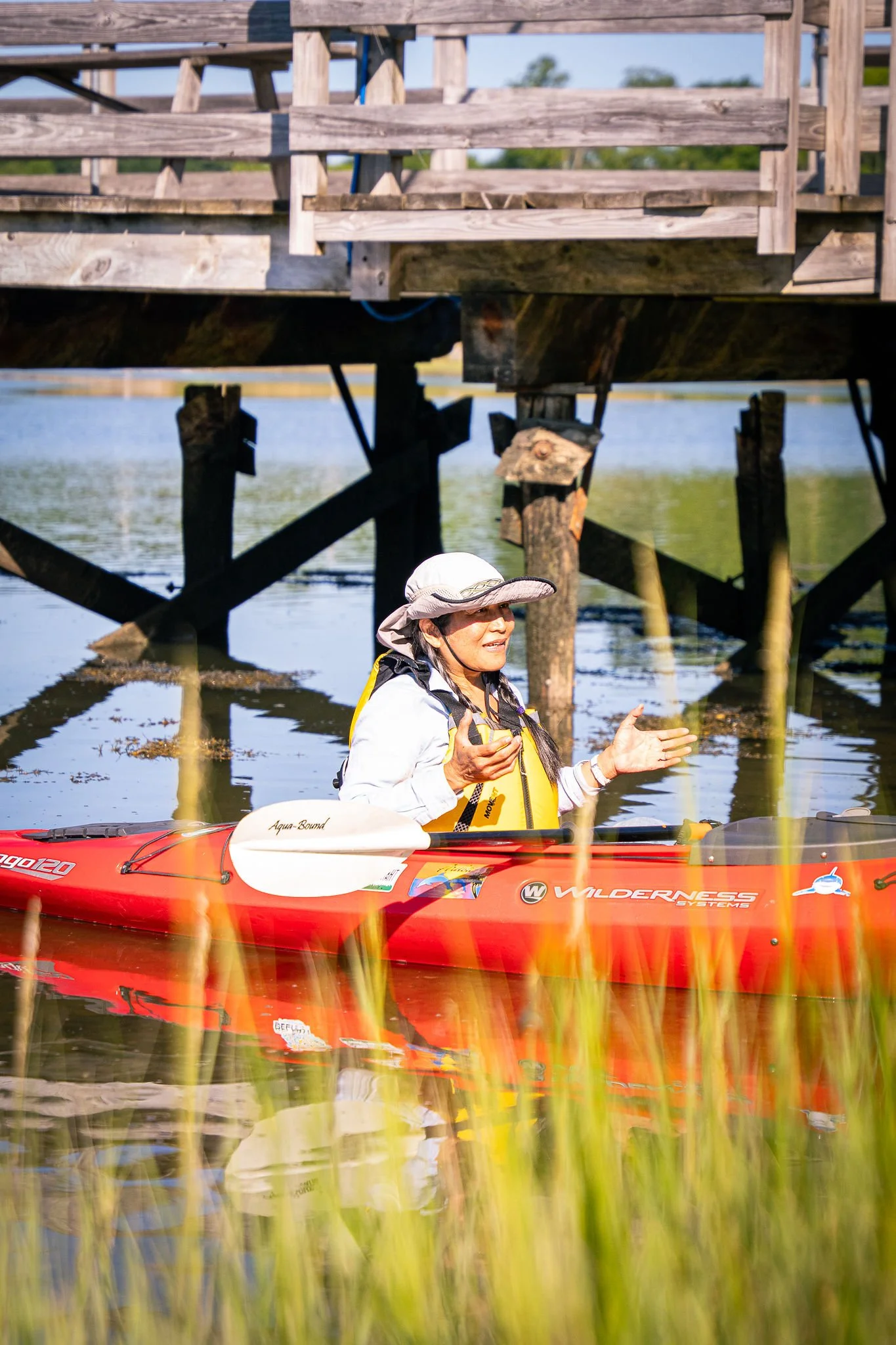
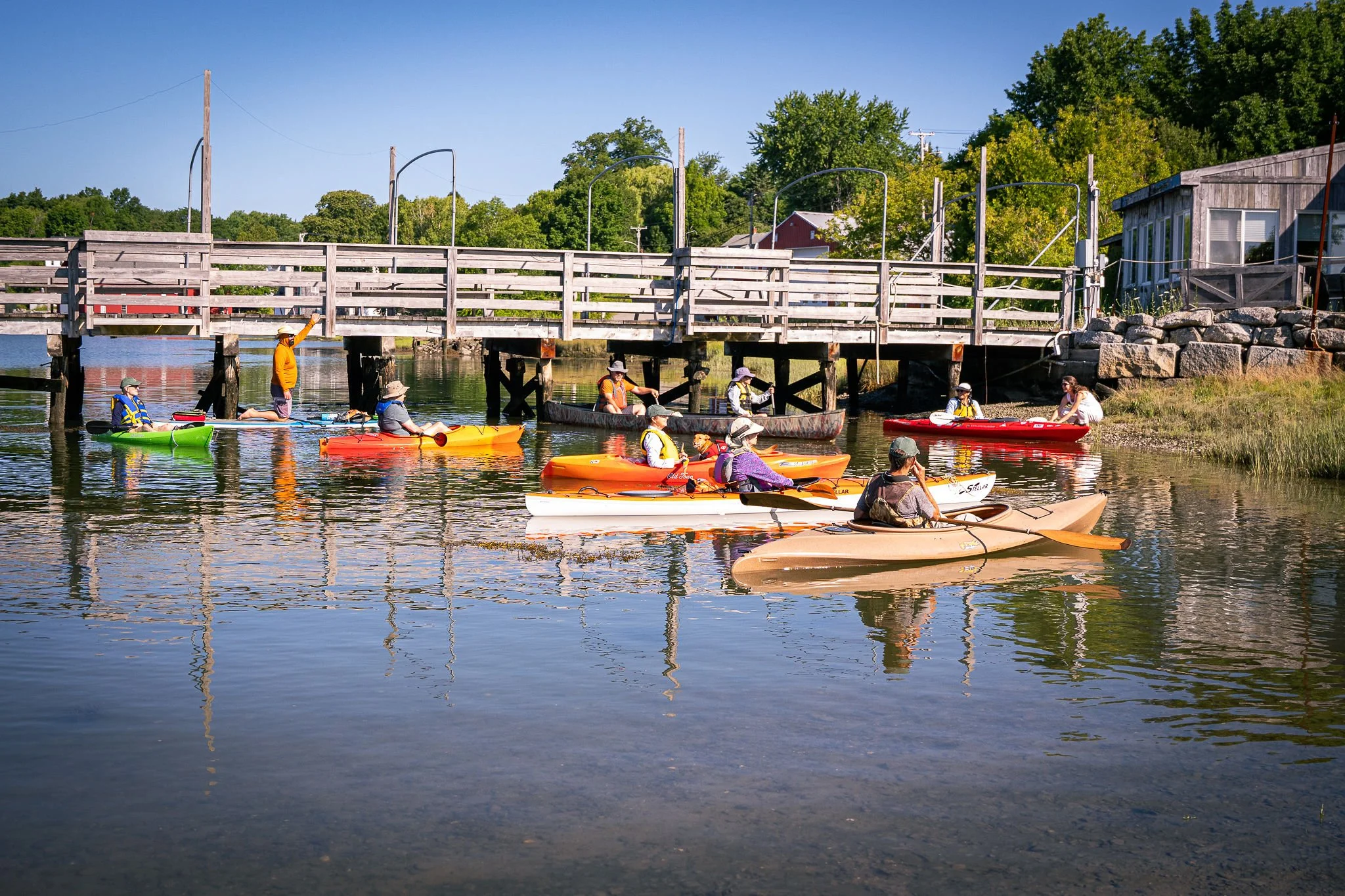
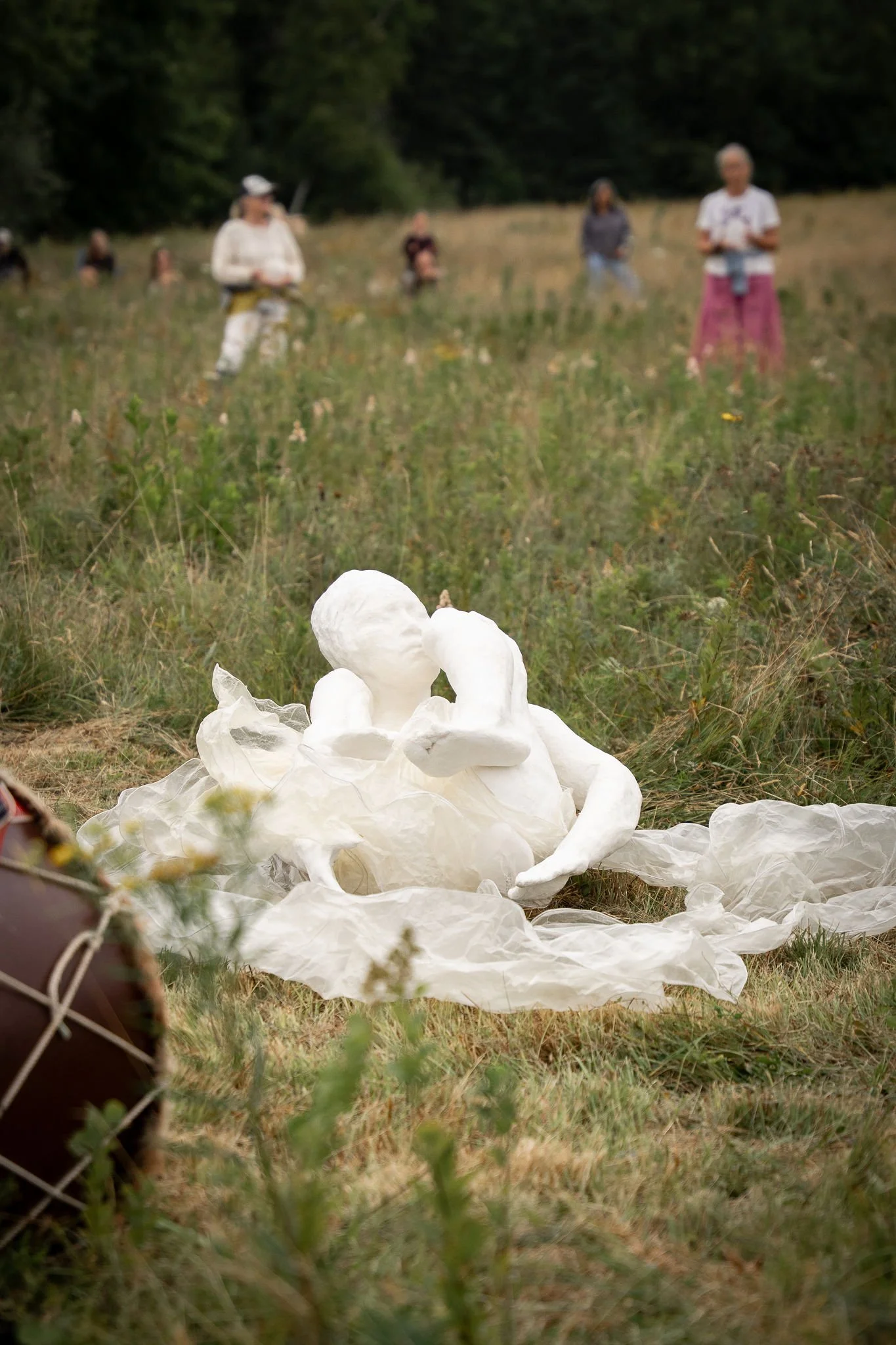
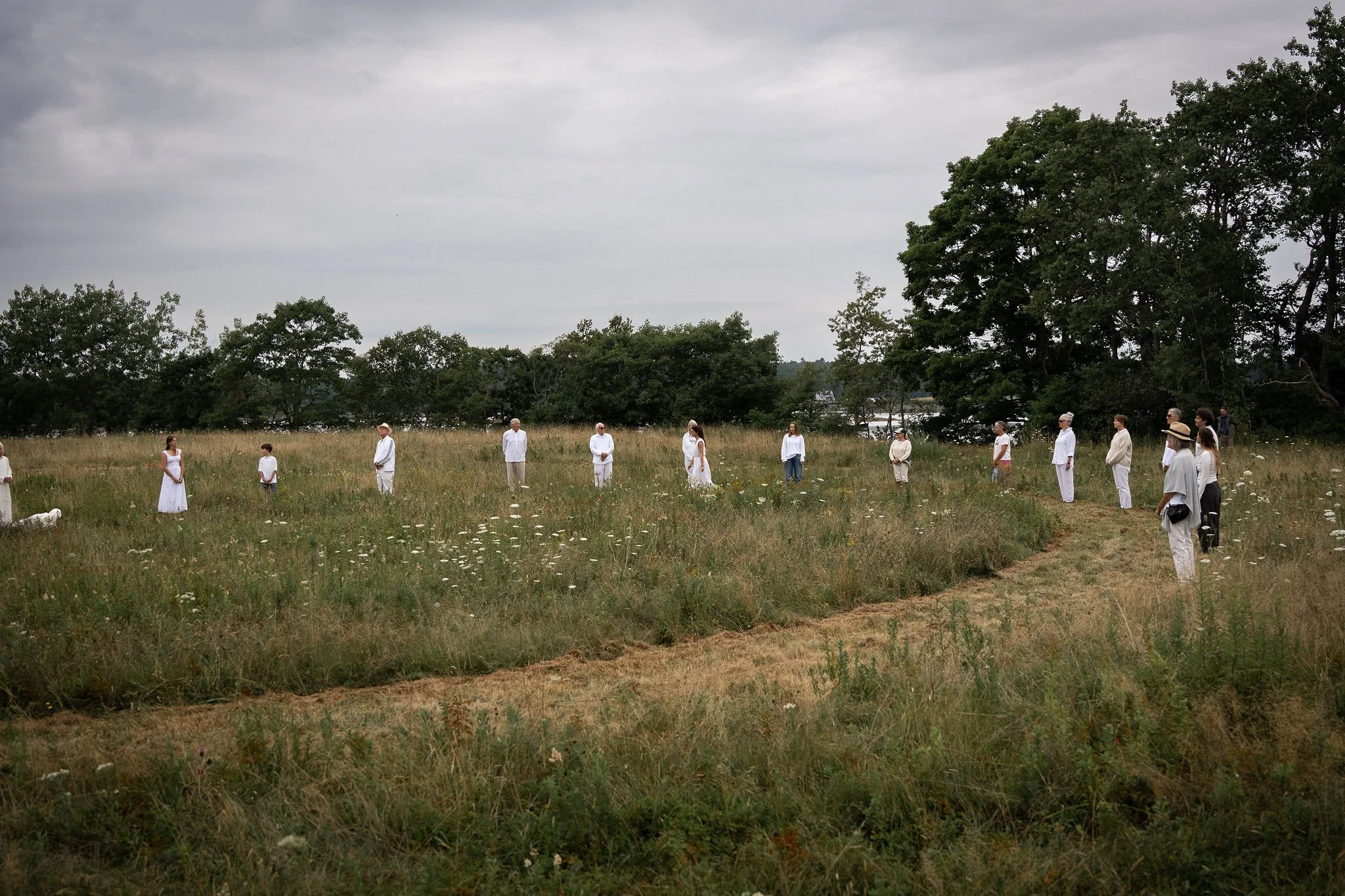
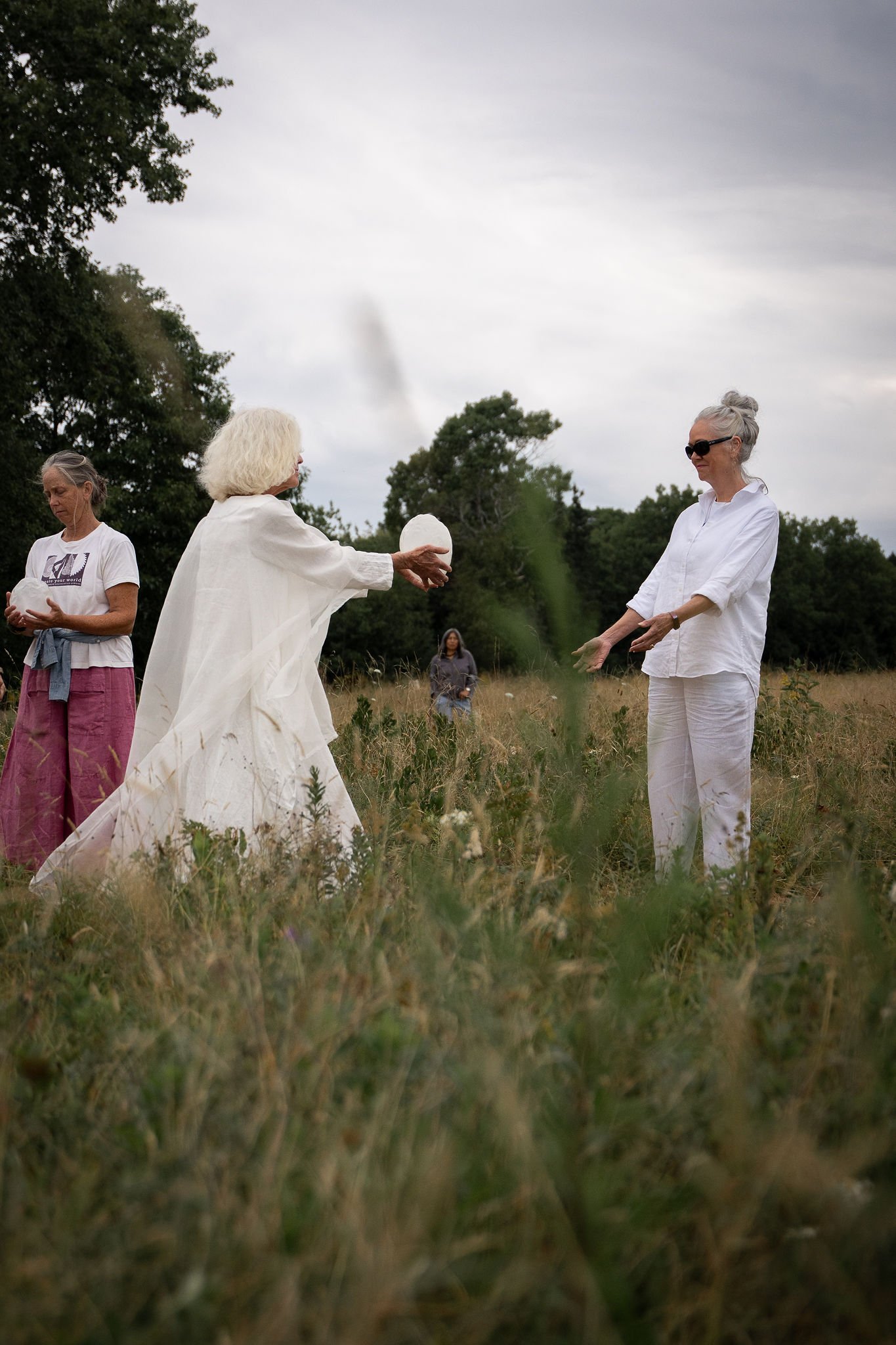
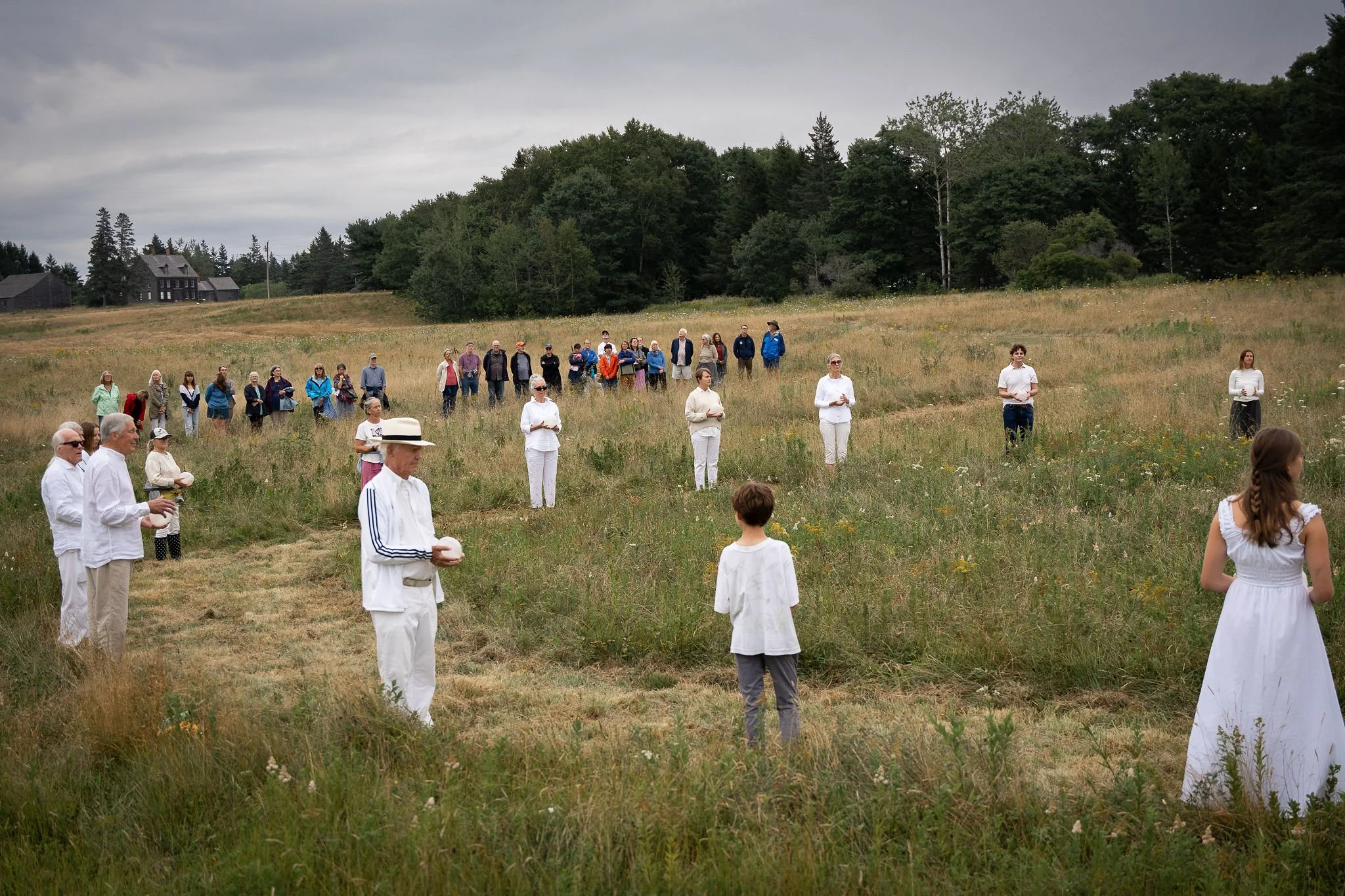
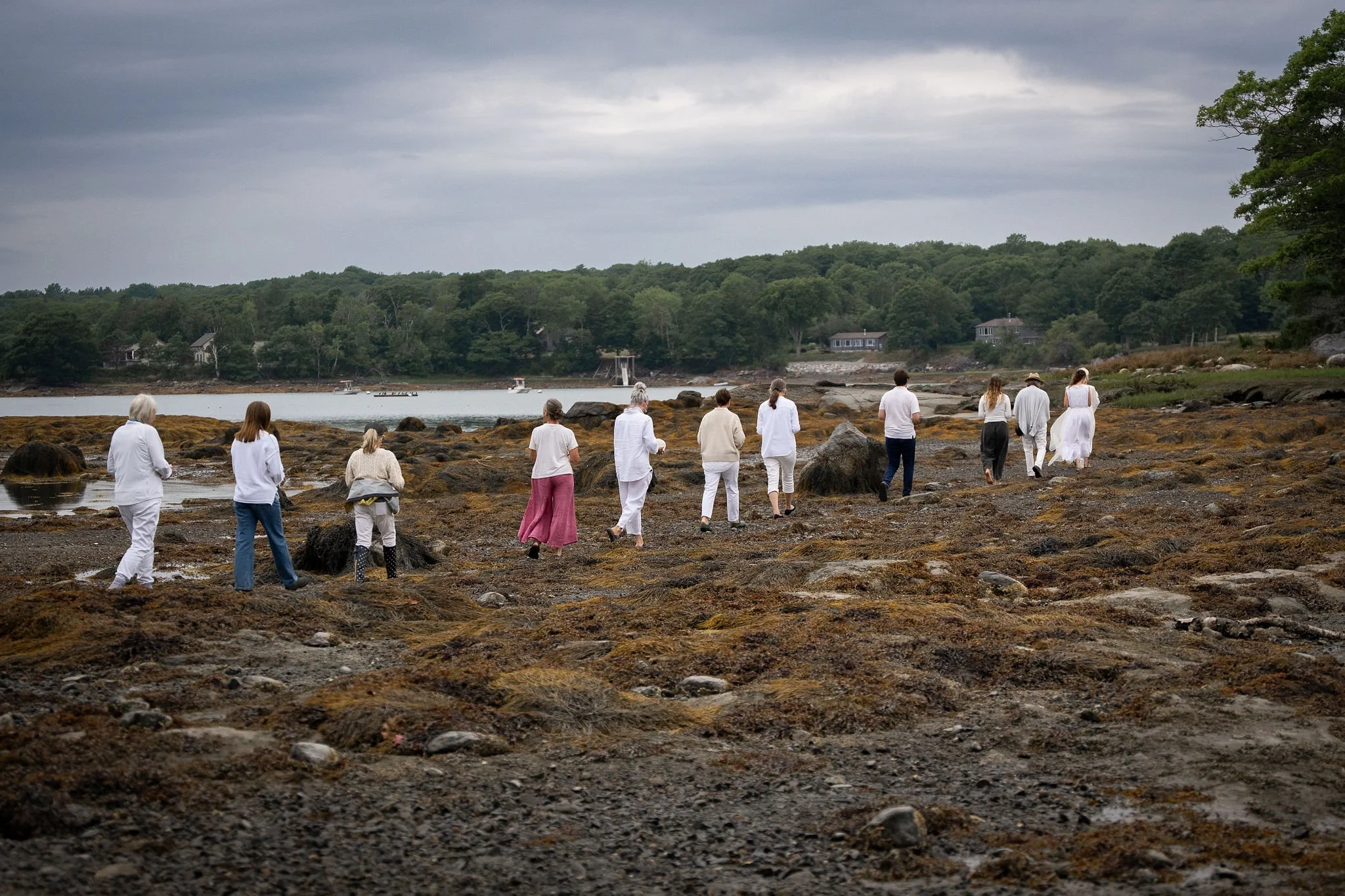
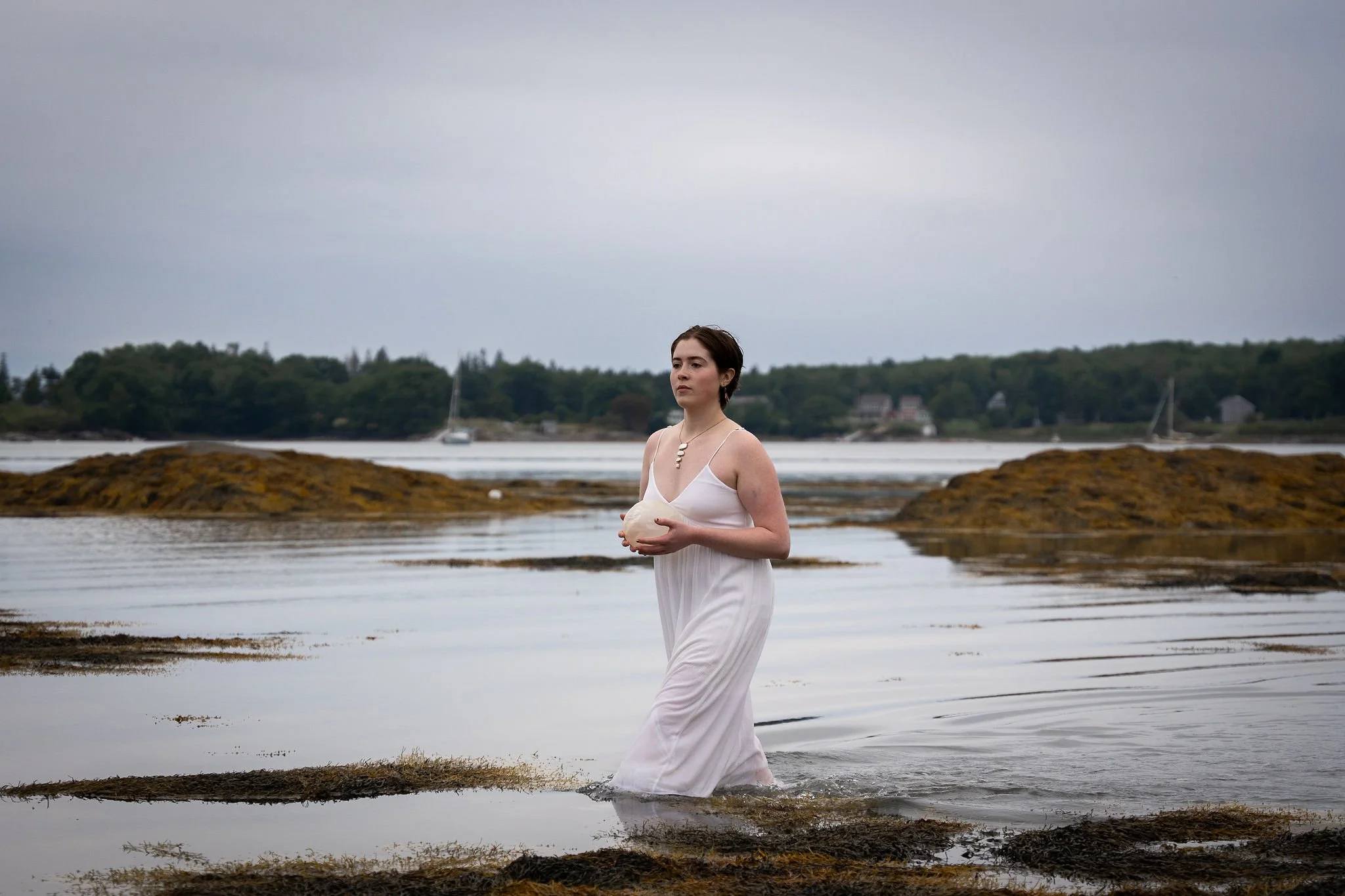
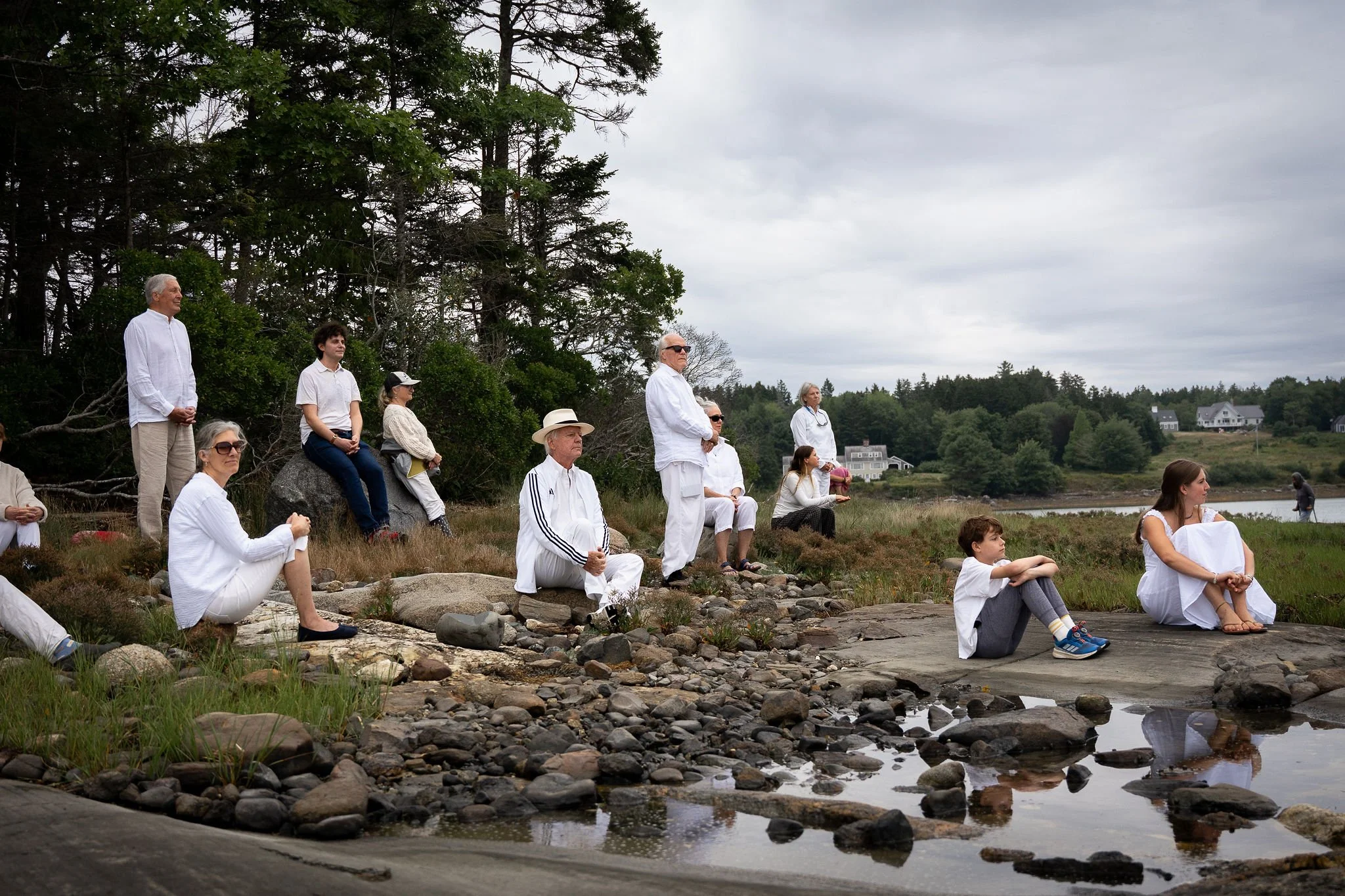
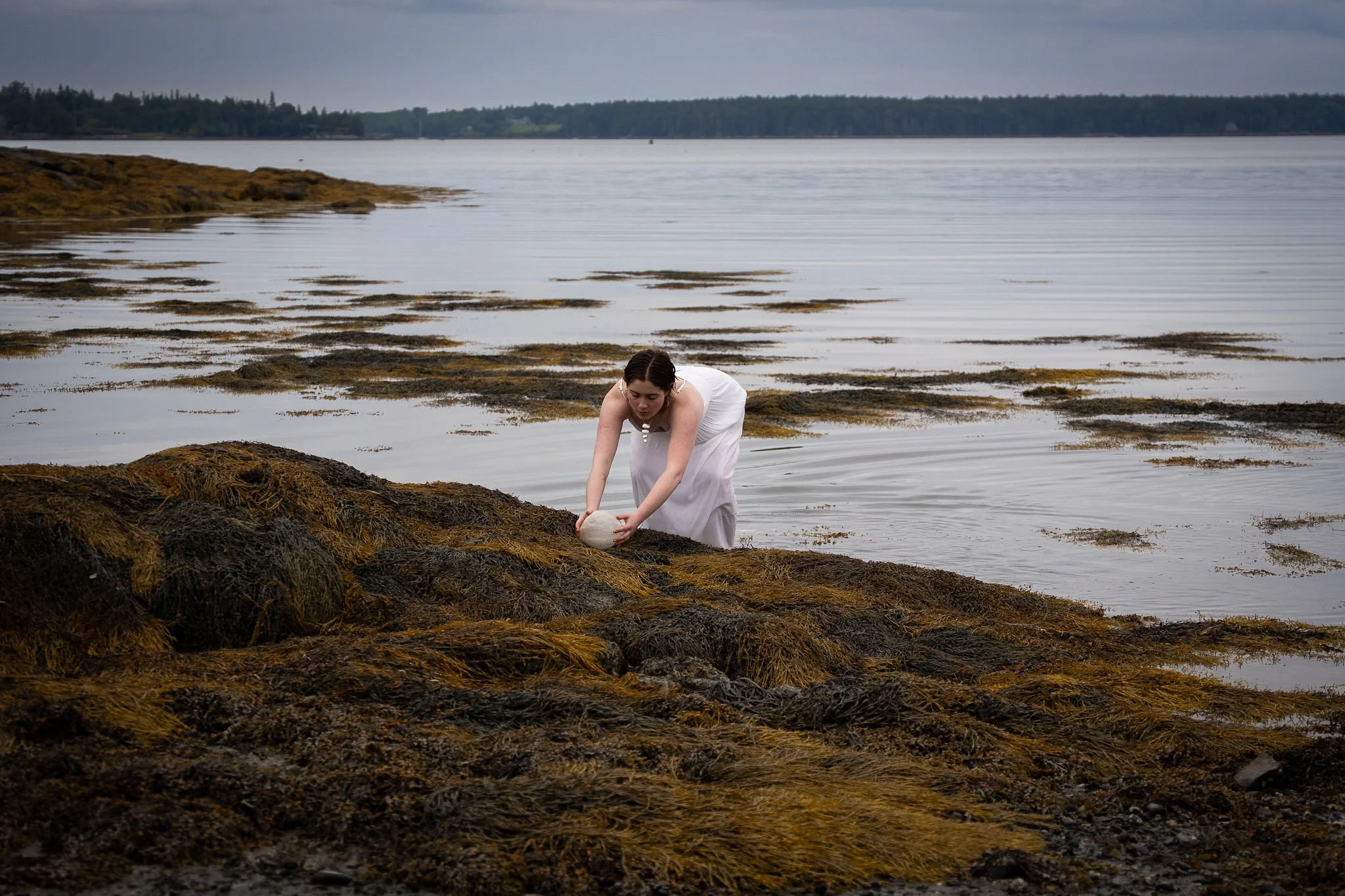
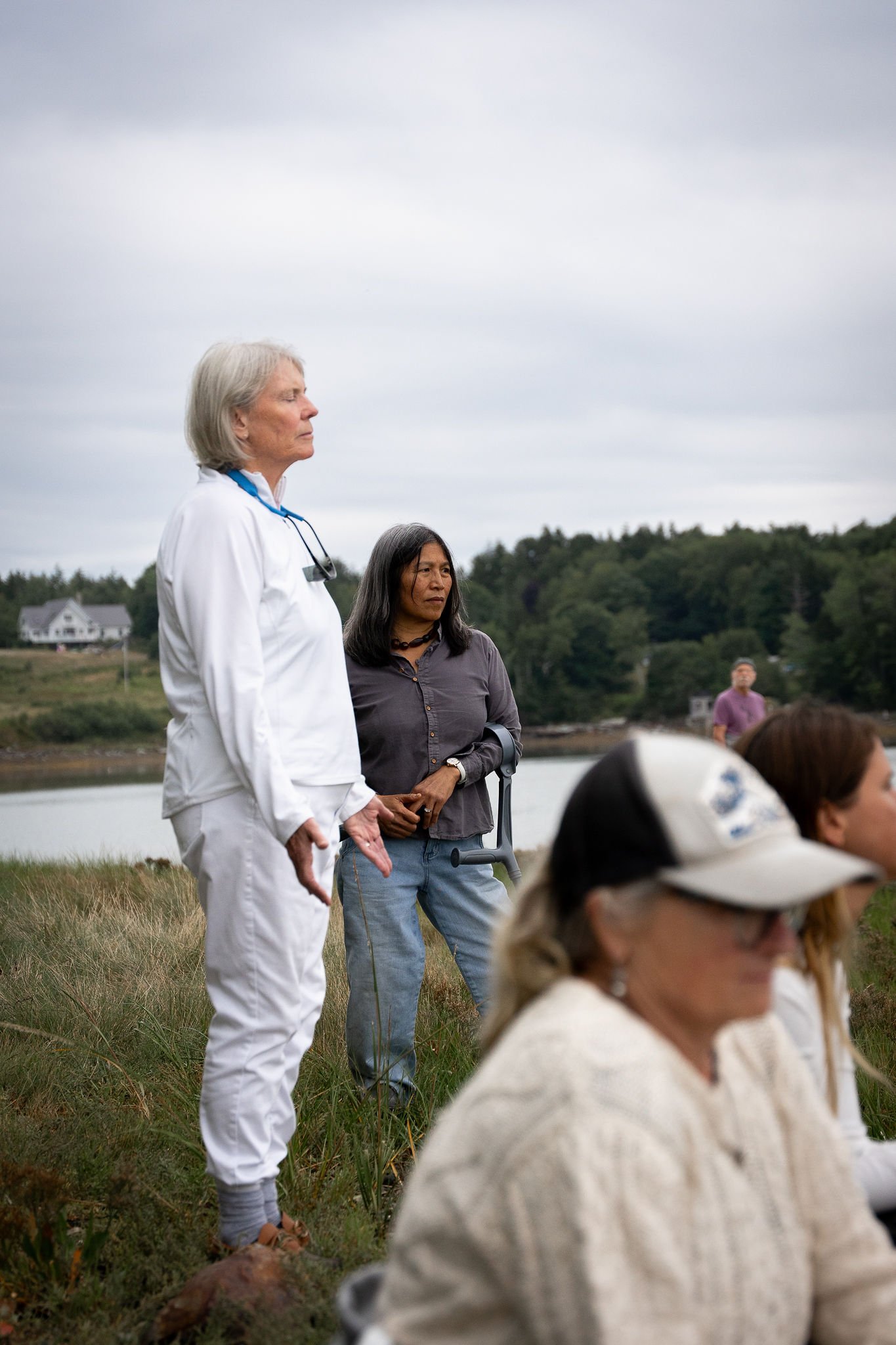
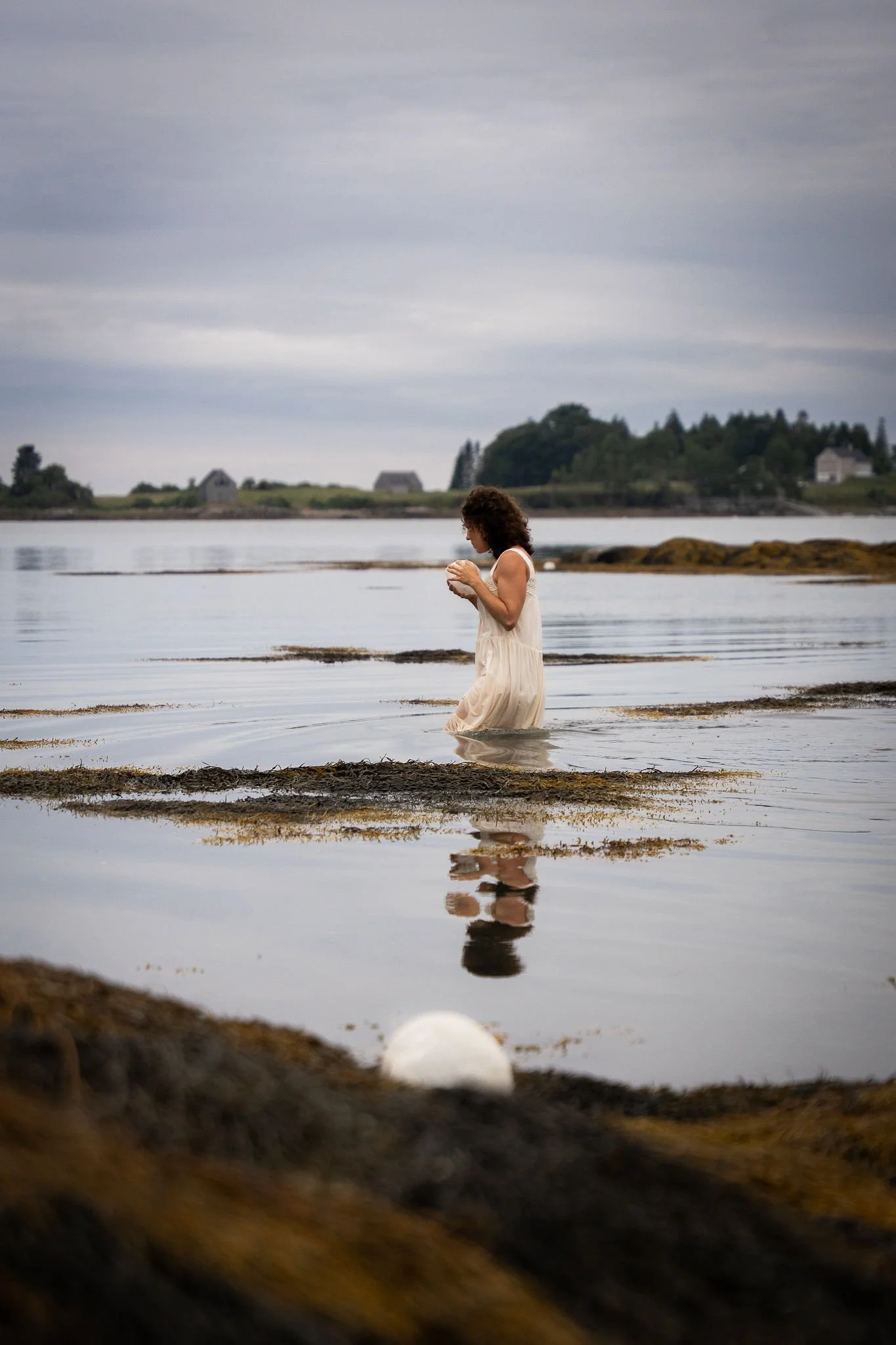
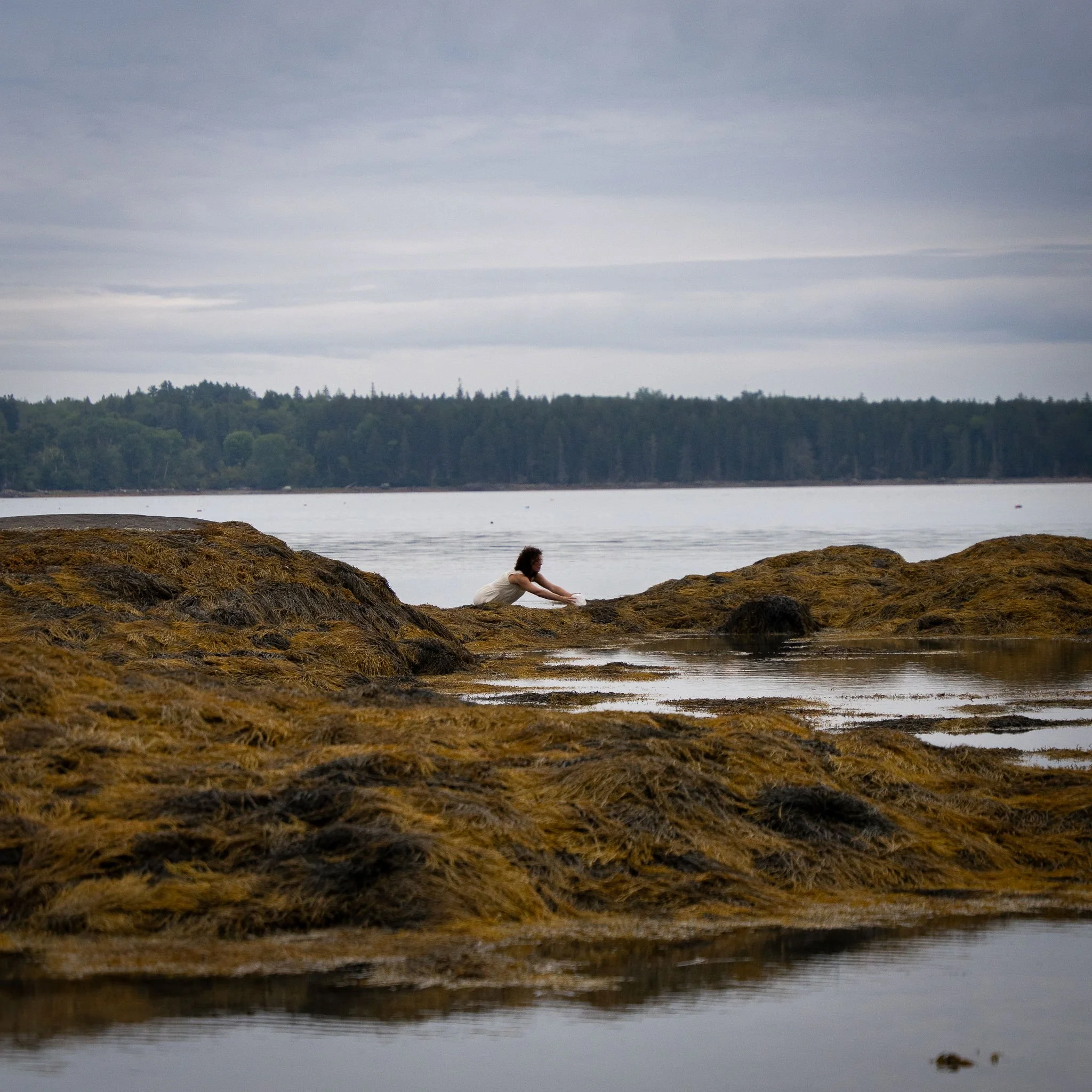
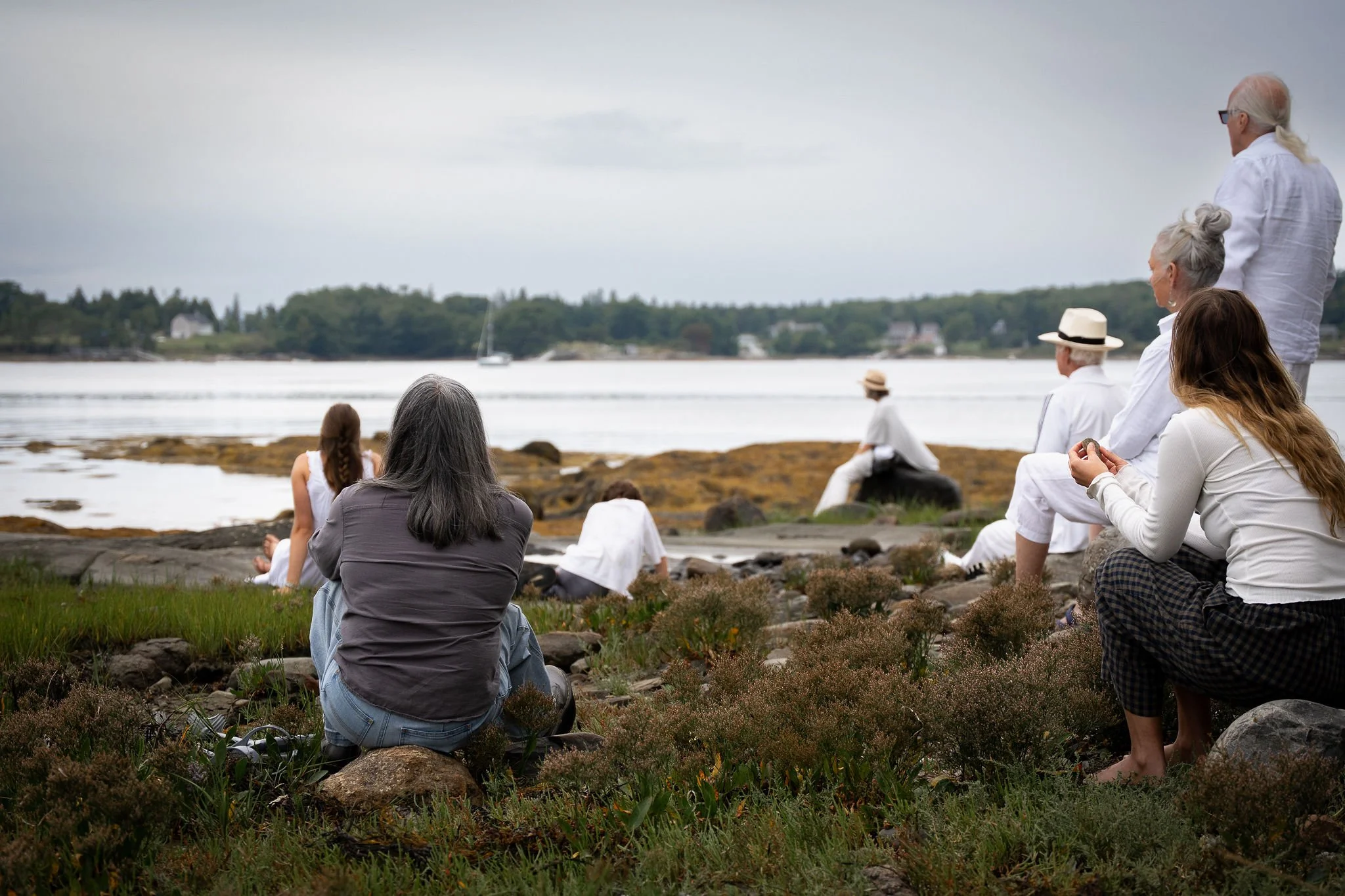
The seed sculptures became components of an installation in the historic Langlais Workshop, where Farley scattered them around a human-butterfly figure made of plaster and rice paper nested amid tools and artworks in progress. The seeds were then transported from the workshop and delivered to the river by participants at a community paddle in the central watershed, a family event at the Gibson Preserve in Searsmont, and a closing performance at the Olson Field Preserve in Cushing. Gently placed into the flowing water, the sculptures slowly disappeared into the river, carrying with them a hopeful message about human and non-human kinship and the creative potential that vibrates through us all.
Image credits (below): Thombs Photography

Messages to the River
Online Gallery
About Lihua Lei Farley

Lihua Lei Farley (she/her) grew up the daughter of rice farmers in rural Taiwan, crafting her first art pieces from the muddy earth beneath her. Her childhood was marked by polio and as a young person, she grappled with constant physical and emotional pain. She studied art therapy and emerged as an artist with a strong belief that she could connect to others’ suffering through her creative work. Farley came to Maine in 1998 to attend the Skowhegan School of Painting & Sculpture and has remained here ever since. Her work explores themes of healing and humanity’s relationship to the natural world through sculpture, installation, and performance. She has shown her work at Skowhegan, the Colby Museum, CMCA, and the Kennedy Center of the Performing Arts, among other venues. She is the 2026 Maine Arts Commission Visual Arts Fellow.
The artist wishes to thank Georges River Land Trust staff Hannah Blunt, Maeve Cosgrove, Caitlin Kelty-Huber, and Lucy Baker; teachers Craig Jacques, Amanda Mastrian, Jennifer Strazzulla, Anna Cosgrove, and Crystal Baughman; volunteer Lisa Mossel; and the student collaborators from Thomaston Grammar School, Cushing Community School, Ames Elementary, and Hope Elementary.